The Healing Power of Postpartum Rest in Traditional Chinese Medicine

When I first learned about how in Chinese medicine birth is seen as a depleting life event, it felt contradictory to everything I’d ever read birth was “supposed” to be.

Surely having a baby was a rich, life giving event that left you full and feeling blessed and whole right? But no, in Traditional Chinese Medicine (TCM) birth is an event that requires a lot of jing, and depletes the qi and blood within the body. It puts pressure on the kidneys and takes the warmth out of a woman’s body, so where she was full of the  warmth of an extra life, with extra blood and vital energy through her pregnancy, the energy is used in labour and by the time baby is earthside, her body is emptier and depleted. Essentially what I learned was, yes having a baby is a beautiful life event, and it requires massive amounts of life force energy. Both things can be simultaneously true.

By this point I’d had 3 babies already, and I hadn’t respected the sacredness of postpartum any of those times. In fact, with my 2nd, I was up and out in the Scottish December cold just 3 days after she was born. With my summer babies, I didn’t rest either, and I indulged in ice creams and cold drinks, not understanding the impact letting more cold into my body would have.

From this experience then, and from work with women in the past few years, I have really leaned into the wisdom of traditional Chinese medicine, and deeply respect the many cultures that prioritise a rest period postpartum, where women can rest, rebuild their stores of warmth and qi, and honour their recovery from birth while bonding with their babies.

In Chinese Medicine, there is a 40 day period of recovery. These 40 days are essential for warmth, healing, and vitality, and the wisdom of it says that if a woman lets cold into her body, through food or exposure, in these first 40 days, the result will likely be an impact (negatively) on her mental health down the line. Of course, postpartum depression, anxiety and other mental health struggles are not solely related to the first 40 days, and we can absolutely see there are elements of privilege and resources that impact families too, but the idea that we could radically influence that first year within the first 40 days is fascinating to me.

Learning this revolutionised the way I taught postpartum doula-ing, it changed the way I would offer support postpartum, and when it came to having my 4th baby, it radically impacted the way I planned my own resting period.

I didn’t manage 40 days indoors – I’ve got 3 older kids so that was always going to be stretch; but I did give myself 12. I prepped warm foods, accepted food from friends, asked my mum to come visit and mother me in my own newness again, and strictly stayed away from cold foods, drinks, and winds. It wasn’t perfect, but it was my own adapted honouring of the learnings TCM has given me.

You know that saying, if its worth doing, it’s worth half arsing? Or done is better than prefect? This was my approach. I knew following the teachings of TCM would be beneficial, and whether that was doing it at 90% or doing it at 15%, I would gain warmth and energy to keep up with my older kiddos in the long run.

7 months later, I can see and feel the gift of those slow weeks, and it influences the way I show up even more to support others. Prepping for postpartum with a lens of ancient traditions is something I think more families should have access to. A slow, warm, hygge filled postpartum, with nourishing foods and a support bubble that shows up for you, with no need to mask or entertain or host them, is what I wish I could give every new mother no-matter how many children she has. It is through this rest and healing that we start parenting not in burnout or depleted and traumatised, but full of life and feeling supported. Imagine a whole generation raised by families who aren’t in their survival responses – what a change that will make on the world! This is the impact of TCM (and other ancient wisdoms)… if we learn and listen.

With love, thanks for reading,

Rohana x

Where You Birth Matters

The way a baby is born impacts them on some level for their whole life.

The way they are born. The people around them. The environment they enter this world into.

Baby’s born into war carry that, (if they survive) into the life they live and it physically alters the DNA of their decendants. This has been heavily weighing on my mind this week, as we watch the events in the middle East unfold- with little to no voice given to the reality birthing women and babies are facing.

Baby’s born into immense privilege carry it too… though not always in the ways we might assume. Privilege often equates to a certain amount of resources over and above others. In the birth world, it’s a little more nuanced than that.

Assuming that you’re birthing outside of a war zone then; what impact does the environment of birth really have? It matters deeply, not just for babies but for mothers and partners too.

We cannot prepare for the future without embracing the meaning and the relevance of the baby’s perspective on life.

-Michel Odent

We know that mothers birthing in supported environments where they feel safe and nurtured pass this information on to their babies. The same is true for mothers who birth in conditions of big T and little t trauma. From hospitals to birthing centers to home births, the space you birth will shape everything from the medical interventions used to the emotional atmosphere surrounding your birth. After numerous conversations about why thinking about this as early on as possible matters, I thought I’d write a little on it.

Choosing where to give birth is a deeply personal decision. The assumption that everyone has the information and resources to choose the way they want is one I just cannot make. Socio-economic factors come into play, race, ethnicity and culture too. In the UK (at least at the time of writing in 2024), you can legally choose where you birth, and that choice can absolutely impact the way your birth story plays out.

Ultimately, its your choice, so get informed! There are far too many women told they can only birth in hospital when truly they do have other options. Equally, if the idea of birthing anywhere outside a hospital gives you shudders, then planning that ahead matters.

I want to preface the next few passages by highlighting that ultimately I believe every single baby comes earthside in the way they need to, with their unique birth resourcing them in various ways. 

What are your options?

Hospital, Birth Centre, Home. I won’t chat freebirth, that’s for another day.

Hospitals are the high tech options, sold to us as high safety, but also the space where the highest levels of birth trauma exist. Hopstials are supposed to be safe – and when they work, they are a blessing. More and more though, especially for women who have no or low ‘risk’ factors the hosptial birth story isn’t a happy one.

Hospitals represent the standard choice for childbirth, they are normalised in the media we consume right from childhood, and other spaces are considered ‘alternative’ or even a little radical. There are an array of medical interventions and expertise available, with health care professionals and a full range of technology on hand to monitor baby and mother throughout labour. There’s access to all sorts of interventions and pain relief options, and of course surgery.

While a cesarean birth can be lifesaving; for many of us in the birth world, we can see that it is the interventions prior that snowballed a healthy birth into an emergency. The conveyor belt system of induction and cesarean births is all a bit too neatly boxed up; and it takes away from the rite of passage birth physiologically is.

Hospital births are often a ticket to the trauma train because procedure trumps real life experience, and women are often gaslit, ignored, or violated. Circling back to babies, this also means babies are being ignored, assaulted and sent the information that the world is scary and unsafe.

Birth is nearly never an emergency, but sometimes it is. If you need to prioritise safety with medical resources, then a hospital birth is a blessing.

If you don’t… Read on.

A birth centre/midwife unit:

Birth centres are often described as kind of like the middle ground between hospital and home. They’re quieter, often offer a pool, can have the lights dimmed and try to be as warm and cosy as possible. Most birth centers will try to encourage birth to be as intervention free as possible, and I’ve heard of some beautiful birth stories with supportive staff in them.

However, with the ever increasing agenda to streamline birth (and yes this is the agenda), more birth centres are being closed or told they can’t operate fully because of staffing levels. Midwife units cannot support birthing women if they aren’t supported themselves; which means being able to access these is getting harder. Added to this is the fact most of them are for babies being born physiologically with little / no risk, and will turn away women who don’t their box.

This isn’t without reason, birth centres aren’t equipped to navigate emergencies or complications, and so err on the slide of caution. Birth centres can be some of the most beautiful, supportive and nurturing spaces, and midwives often go above and beyond to make them so… but they need to be given the resources for that to happen.

Home births:

For a healthy woman, the first intervention in birth and labour is leaving home. This is something I learned only after my 2nd child, and having had both hospital and home births myself, it is something I wholly believe to be true. As a woman, I know my homebirths were far more positive than my hospital ones, and I only got here through research and experience.

As a doula who wholeheartedly supports informed choices, I will never tell a potential client where to birth, but I will absolutely encourage you to really think about what that means to you.

Homebirths are growing in popularity, becoming something many mothers return to. I don’t see this as a a coincidence, it is a remembering. A remembering that sovereign birth is something we all have the right to. A return to reclaim the power of birth. Homebirths are in the comfort of your own space, so autonomy comes more naturally. You aren’t entering someone else’s space, they are visiting yours as a support system for you.

You can choose the environment, the lights the music etc, and if you decide you want to transfer, then that’s okay. It’s a choice you make. For first time mothers, there’s evidence to say that home births are far less traumatic, bonding feels easier and healing is quicker. Because in your space, generally speaking you feel safer, therefore all these processes don’t need to be big and hard, they can flow with ease. You can take breaks, chill out, zone out, and rest without interruption or inspection. There’s a reason mammals find/create dark quiet spaces for birthing, it is a primal instinct to do so. Humans like to think we are different, but hardly so.

Before I sign off, I have a question for you. Did you birth in more than one of these settings? What were your experiences of thr difference ? If you feel called to and safe to share, get in touch. I’d be honoured to hear from you.

With love, until next time,

Rohana x

Why I became a birth photographer?

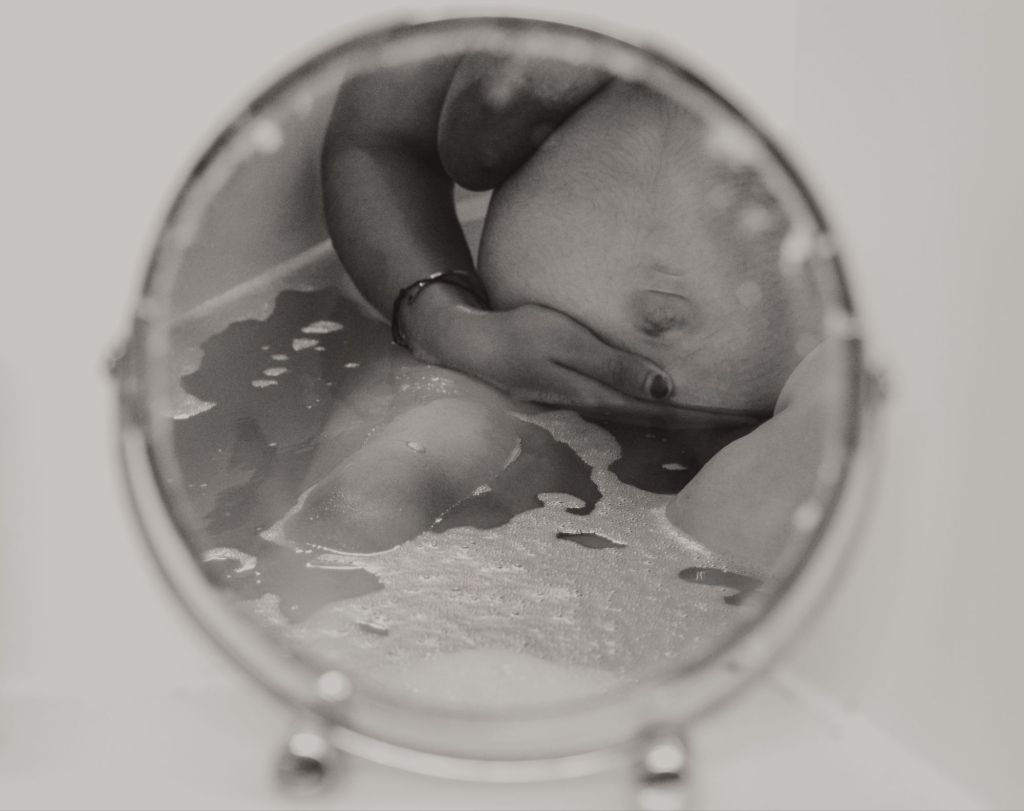
When I had my first child over 7 years ago, I had never heard of birth photography. I had the idea that I wanted to see my baby being born, and I asked if I could have a camera set up. I didn’t really understand why I wanted to, all I knew was it felt deeply important to me.

The hospital I was birthing at said no. I didn’t argue. I didn’t know how.

That birth, my first child, was traumatic in a number of ways and I’ve worked hard to heal my memories surrounding it. Still, I wish I had photos of it. I wish I could see the woman I was in those moments.

Alas, I cannot.

But I learned my lesson. When I fell pregnant again, I spoke to my partner about wanting to hire a photographer, and so we did.

I looked for a local photographer because at that time, nearly 5 years ago, birth photography wasn’t as popular as it is today. We found one who I trusted and got on with, and she agreed to venture out of her normal photography niche and capture my birth. Those photos are some of the most profound ones I have from that time. Unfortunately, my daughter was ready before anyone else, and the moment I craved capture of, was missed.

Still, having the details like the song she was born to, the pictures of me holding her as I stood up, blood dripped down my legs, cord still attached. They are frozen in time, ready to transport me back. They are a gift from my past self, and they are a gift to my future self too. Moments I have to hold forever.

When I got those images I knew that I wanted to give this to other families. I wanted to capture the rawness of these moments, and the intimacy of saying hello for the first time.

We say that you never forget the birth of your baby, and yes in part it’s true. But memories do fade. Time robs us of details. The haze of motherhood buries the deeply vulnerable early hours postpartum.

Documenting them feels like being able to save a sliver of one of life’s most powerful periods. Giving that to others is a privilege and honour.

When I had my 3rd baby, I hired another birth photographer. We planned a homebirth but ended up freebirthing. She documented the minutes I worried I wouldn’t be able to birth my baby, and she captured the moment where he was between worlds, head here, body not yet earthside, me, a portal.

In the months afterwards where I felt like I was drowning, the photographs she gave us reminded me that I could do the hardest things and survive.

Birth photography isn’t a trend, or just a photo to post on Instagram. It’s powerful, and healing far beyond what we may realise at the time.

Would I recommend it? A big YES! Not only because I do it, but because so many women I’ve spoken to have said, nomatter how their births have gone, they would have loved more images. Those who have them, treasure them deeply.

Baby’s are only born once after all, and no two births are the same.

With love,

Rohana x

Day 12 – minibeasts, bubbles and lots of play

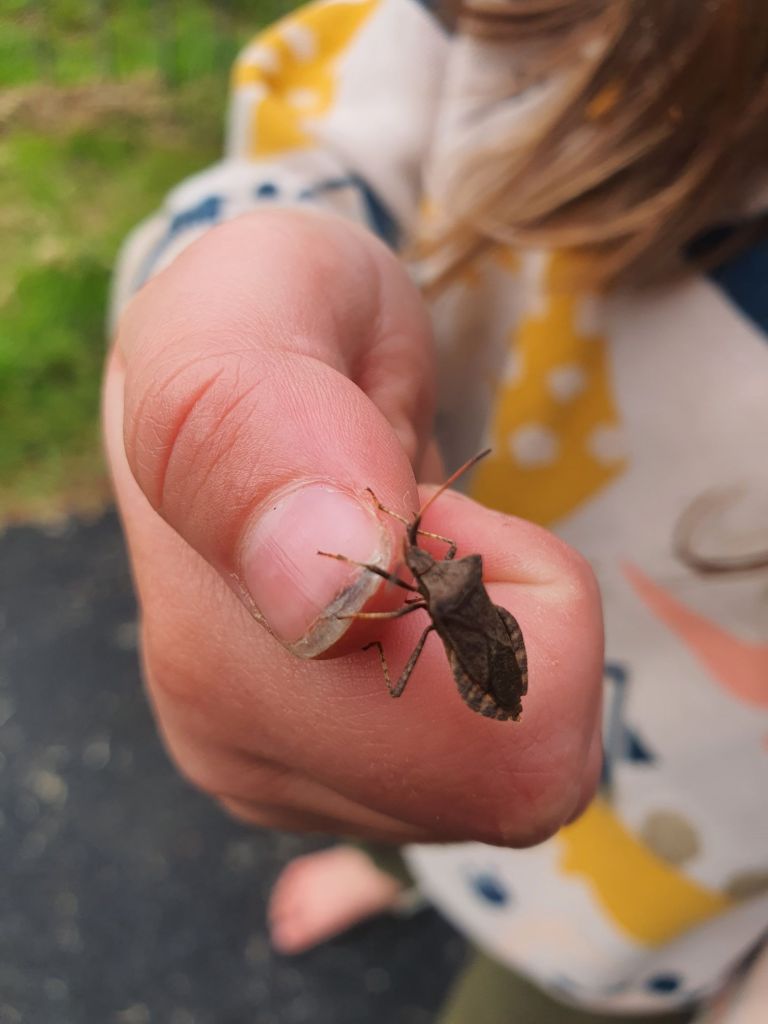
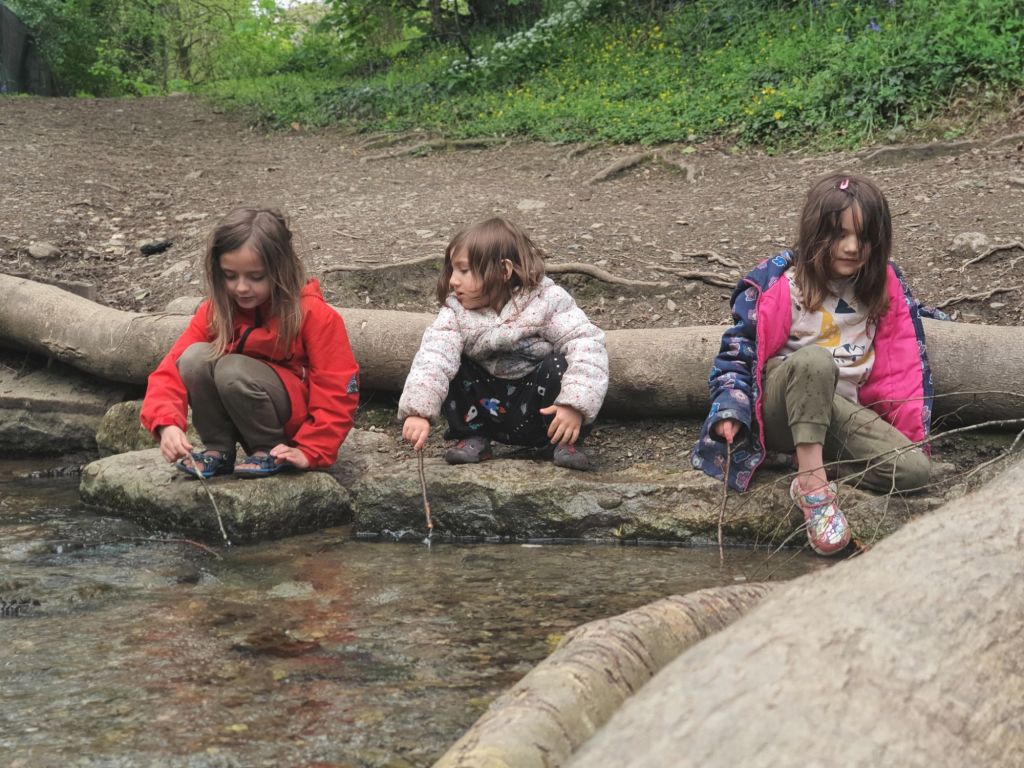
This is definitely one of my favourite times of the year, where there is just so much to see and find outdoors, and the kids genuinely just want to be out exploring; I’ve ordered them some portable mini microscopes and I cannot wait to see what they discover! It’s been mini-beast hunting, bubble catching, climbing on everything and a generally joyful, curious mood the past few days.

Today, they were tired, but after an intense week, I didn’t expect much else. I thought we’d push a bit today and get into city center for a little more exploring; but they had other ideas and it was a much needed slow start, followed by outdoor fun and a playdate this evening. Double fun was that our puppy Nyx got a playdate with her buddy too, and spent a couple hours running around the garden with him (theirs, not ours!)

It’ll be the first weekend in a long time where H (the kids dad) won’t be home because he’s staying on base for some much needed recharge. It’s something that when it came up this week with friends got funny looks; but actually as we prep for our house move and baby, is something that I am genuinely super glad he’s managed to block off. In the past, I’d probably have thought it wasn’t fair, but we’ve both worked really hard to see what the other needs, and to support each other to meet those needs, as much as possible with 3 kids and a puppy. Last weekend, he drove all of us for nearly 5 hours (each way) just so that I didn’t have to take the train and have long layovers; knowing that too many hours on my feet and I’m getting really exhausted. He took the kids to soft play and did all the parenting things that you’d expect; except… I don’t drive, so he also took on ALL the travelling, and had to get back to Portsmouth as well.

My standards are high, and we often as a couple talk about how we hold each other to high standards as parents, and in our relationship; because we push each other without pressuring each other… something that has taken YEARS to figure out a balance with, and isn’t exactly a one way works every time kind of deal. We absolutely mess up a lot, but ultimately, choosing to grow together and in our own personal lives has meant doing the work and showing up in the best ways we know how. It’s interesting though, as I think about this; because we’ve had conversations over the past year about how, if I suggest areas to work on, he’ll shut them down… and vice versa… but then, in a roundabout way, we both end up with similar themes, working in our own way through our own stuff.

The exception here is probably deschooling ourselves, which I periodically dive deeper into, and this year at least, hasn’t come up as necessary for him. That said, once we live together through the whole week again, I think things will change, especially while we wait for potential spaces for K and A, and dive deeper into home educating P, led by him, and immersing ourselves in bigger projects as we go. We’ll also have baby dragon so navigating postpartum is going to an interesting journey for us both/all.

Previously, I’ve adopted the attitude of ‘just keep going’ and I have burnt out BIG time! This time, we are honouring the sacredness of it, slowing riiiigggghhhtttt down and I’m choosing to have a laying in period. Admittedly, I’m not sure how this is going to work with 3 active kids, but the goal is there and mentally, I know if I prep for as much rest as possible, then I’ll honour it far more than if I just try to wing it. I am teaching postpartum support in a couple of weeks and once again, as I look through my materials, I’m getting excited! It is such an incredible time.

Today 6 years ago, I handed in my dissertation… I was 8 months postpartum for the first time then. I don’t remember much about that version of myself most days, but I am grateful for her. I didn’t do the laying in period, or honour myself fully back then… though it was slower than the 2nd and 3rd time round for sure! Looking back on the rollercoaster ride, I often forget just how far we’ve come, but it is pretty damn remarkable given that I thought at one point I’d never manage to finish uni having P.

Tonight, my dads last night here, P has cuddled up and said he wants to have a sleepover downstairs with grandpa; so audiobook on, delta waves playing in the background, he’s fidgeting as he listens…. and I’m thinking about all the weeks where my dad spent his time with me in the UK, looking after P so I could write and finish assignments. So much has changed, but the closeness they have is as strong as ever. We are very very blessed.

Anyway, goodnight for now, thanks for reading,

With love, Rohana x

The Ripple of a Supported Postpartum Period.

The experience of welcoming a new human earthside is a remarkable journey. I’ve done it 3 times… and the feeling I get when I share my experiences, and listen to others is incredible. There is something so sacred about birth.

However, though absolutely deserving of the attention it gets; birth is the highlight in media and many conversations; with postpartum being a little left on the wayside. For first time parents, there is some emphasis placed on the changes of this transitional period (though by no means enough); but after that, it kind of just dissapears into the noise of everything.

Postpartum is just as – if not more – sacred that birth.

As I prepare to deliver a session next month on the postpartum period to some wonderful Doulas in training, I am called to write about it here too.
In part, this is because, through the whole rollercoaster of parenthood, the attention, support and social associations between male and female parents is so different. I honestly cannot speak from stories of same sex couples; because to date I only know 2 same sex parent families who’ve had children, both of whom are female identifying. That said, we’ve all seen the memes where mum goes to the shops and is expected to ‘control the toddler’ versus dad who is ‘so wonderful’ for literally being a parent.

Nonetheless, outside of social expectations, speaking to men about their experiences postpartum – it is just as lonely, if not more so for them. It is isolating. It is hard. They receive even less support, with many (much needed) services aiming to support mothers as they transition into motherhood, and few doing the same for fathers.

Yet, it is, in my opinion, vital to recognise, support and celebrate the role that fathers play in the postpartum period.
Supporting families as a whole unit here, in these early months, can lay the foundations for a family life that is built on a strong sense of connection, trust and nurturing. Not only is the child or children in a far more stable, healthy environment for their emotional growth, but both parents are more likely to communicate kindly with each other, have compassion, and connect in a more intimate way – which, let’s be honest, isn’t going to harm anyone’s sex life.

How can we support families as a whole unit?

In my postpartum prep session I dive deeply into conversations about the 4th Trimester and ways we can really support families.

If I could gift any new parent something, it would be this support. A step towards that is this information.

Nourishing the Body with Good Food:

One of the most fundamental ways to provide support is by ensuring that postpartum families are nourished with good food. In the absence of being able to literally take someone food (because honestly thats a BIG task), recommending recipies or supporting them to create a meal train where friends/famkly bring food, can make a huge impact.

The demands of parenting, combined with sleep deprivation and physical recovery from labour and birth, will massively affect new parent’s energy levels. Fathers, in particular, often are expected to step up to ensure that the family is well-fed during this vital period – and a sense of support and direction is helpful.

Nutrient-rich meals not only aid in physical recovery but will contribute to state of mind. When both parents are nourished with wholesome, healthy foods, they are less likely to falter in moments of stress, because they are physically having this need met.

Rest

In a fast-paced world, the idea of rest that isn’t justified by some kind of productivity beforehand might seem elusive. However, the fourth trimester calls for a major shift in perspective, where rest is acknowledged as a precious commodity. This is as true for fathers, who at least in this country are required to go back to their day jobs only 2 weeks after baby arrives, while still adjusting to their role as supporting the family in this new way.

Many conversations centre how fathers can take on more responsibilities. In part, yes I agree, because nursing a baby is a full time job and mums need rest. But, radically, I also assert that fathers should prioritise rest.

This should absolutely be a conversation before baby arrives. Dishes can be minimalised. Hoovering doesn’t have to be as often as it was. The house will be a mess and that’s okay. When dad’s rest is prioritised alongside mum’s, there is more balance, more opportunities for meaningful conversation and more joy.

Mental health

The last big focus in creating a supported postpartum experience, without diving into the other (essential) aspects mental health.

Yeah that’s too vague Rohana … we all know mental health matters, but how do we do anything about it?

  • Chat openly and honestly. Before having baby and after. Every step of the way… honest, non-judgemental conversations are essential. This is probably best done when everyone has been fed, and there isn’t insane levels of sleep deprivation being used as competitive advantage in the who feels worse game. But seriously, taking to partners about the JOYS and the things that are hard, makes a difference.
  • Divide and Conquer. Divide jobs/tasks. Remove everything that isn’t essential to be done by you/your partner. Delegates the none essentials. Easier said than done… I’m banking on the idea that you’ve got a gorgeous groups of family and friends who want to help (and can) OR a wonderful doula. If neither applies (it didn’t for me!), then lower the bar massively. Do the essentials. Survive. This isn’t forever.
  • Find friends. Groups. Peanut. Facebook local groups. Whatever is an option… if you can, use it. Parenting is isolating, and by having someone to give and receive some solidarity around, it helps. *careful not to just find ranting buddies who keep you feeling low*
  • Lastly, do things for joy. Don’t give up hobbies. Don’t ask your partner to. In fact, schedule them in with extra vigilance, because being reminded that you’re a human outside of helping this tiny person grow and survive is really important.

There’s so much more to say… creating a supported, wholesome postpartum and beyond experience isn’t going to magically happen. It is worth the work though, because when you are supported, you feel safe.

When you feel safe, your nervous system capacity can hold more.

When you feel safe, baby (and other children) feel safe too. Their mirror neurons mimic your regulated state.

Then, the cycle of safety, support, joy repeats. It cycles. And grows.

This time for growth and unity as a famkly builds the sturdy foundations of trust and connection, which, when toddler and teenage years come by, will be something that holds everyone through.


As ever, thank you for reading.

Rohana