As the theme changes from spooky to sparkles, I am jumping on this trend with a quick note today, because honestly, while everyone sharing their fabulous decorations, costumes, and pumpkins – almost all of which have a HUGE impact on the environment and carry their own horror story, there’s also a 365 day crisis in perintal care that’s far scarier than Halloween.
5 truely spooky things, going on every single day within birth, because the system is build to conveyor belt families from pregnancy through to postpartum as conveniently as possible. This is not because those working in it want to, but because that’s the way policies and systems have been built.
Scary stuff!
So, heres just 5, of the many terrifying things going on in the birth world … all year round.
The lies in antenatal care from professionals in the system – I know I said above that it’s not those working in the system, and most of the time, it isn’t. But the truth is, sometimes it is. Sometimes it is professionals ticking boxes, sometimes it’s disregarding evidence based care, sometimes it’s policy and sometimes it’s someone who’s burnt out and exhausted. But the lies come. And the ripples they create are immense.
Induction rates are incredibly high. When there’s a medical need, induction can be an incredibly useful life-saving tool, and thank goodness for that. However for the majority of women and birthing people induction is often a result of lack of confidence, misinformation, scarmongering and guidance about ‘big babies’ or being ‘overdue’. It isn’t based on the latest evidence and induction – in its various forms – ends up being the first step in a sliding scale of interventions which often perpetuate trauam for all those involved.
Lack of trauma informed, neruodivergent aware, autonomy based care is in part related to the point above: induction. However, it goes well beyond that. A lack of well rounded training and resources means that a majority of healthcare professionals, while well intentioned, often don’t have the correct language or experience to be able to support the different women and birthing people that they are seeing. The lack of neurodiverse not knowledge means that a lot of the time, families are treated in ways that cause more harm, coerce all violate their rates to autonomy. The reality of this is that once again, women, birthing people, partners and the babies involved are coming away from birthing within the system with experiences they need to heal from right at the start of this new journey together.
When we have a lack of support and we feel out of control or in danger. Physiological birth is halted, and our bodies go into shut down. This means that a majority of families are starting their journey together with this new baby, and also having to recover from the experience of pregnancy and birth.
The maternal mortality rate for non white bodies is another incredibly scary aspect of birth in not just the UK but around the Western world. The reality is that biases exist, unconscious ones often doing more harm than we realise. Although most people don’t believe themselves to be racist, these are socialised biases that have informed everything we do, so of course, it is unsurprising that we see them unfold in preintal care too.
Lastly, the bullying, coercion, and violation that women and birthing are experiencing every day. Unfortunately, almost everyone who has been through the system will have an experience where they have been treated in a less than ideal way. However, the scariest part of this is that they leave, and I, myself have done this too, grateful for the fact that they have come out not as damaged as they could be, and that their baby is there, not damaged or as damaged as could have been.
Halloween is one day. One commercialised day adulterated from ancient traditions.
The crisis in perinatal care is all year round.
If you’re planning a baby or pregnant – get informed. You and your baby deserve better than what is currently happening.
When I had my first child over 7 years ago, I had never heard of birth photography. I had the idea that I wanted to see my baby being born, and I asked if I could have a camera set up. I didn’t really understand why I wanted to, all I knew was it felt deeply important to me.
The hospital I was birthing at said no. I didn’t argue. I didn’t know how.
That birth, my first child, was traumatic in a number of ways and I’ve worked hard to heal my memories surrounding it. Still, I wish I had photos of it. I wish I could see the woman I was in those moments.
Alas, I cannot.
But I learned my lesson. When I fell pregnant again, I spoke to my partner about wanting to hire a photographer, and so we did.
I looked for a local photographer because at that time, nearly 5 years ago, birth photography wasn’t as popular as it is today. We found one who I trusted and got on with, and she agreed to venture out of her normal photography niche and capture my birth. Those photos are some of the most profound ones I have from that time. Unfortunately, my daughter was ready before anyone else, and the moment I craved capture of, was missed.
Still, having the details like the song she was born to, the pictures of me holding her as I stood up, blood dripped down my legs, cord still attached. They are frozen in time, ready to transport me back. They are a gift from my past self, and they are a gift to my future self too. Moments I have to hold forever.
When I got those images I knew that I wanted to give this to other families. I wanted to capture the rawness of these moments, and the intimacy of saying hello for the first time.
We say that you never forget the birth of your baby, and yes in part it’s true. But memories do fade. Time robs us of details. The haze of motherhood buries the deeply vulnerable early hours postpartum.
Documenting them feels like being able to save a sliver of one of life’s most powerful periods. Giving that to others is a privilege and honour.
When I had my 3rd baby, I hired another birth photographer. We planned a homebirth but ended up freebirthing. She documented the minutes I worried I wouldn’t be able to birth my baby, and she captured the moment where he was between worlds, head here, body not yet earthside, me, a portal.
In the months afterwards where I felt like I was drowning, the photographs she gave us reminded me that I could do the hardest things and survive.
Birth photography isn’t a trend, or just a photo to post on Instagram. It’s powerful, and healing far beyond what we may realise at the time.
Would I recommend it? A big YES! Not only because I do it, but because so many women I’ve spoken to have said, nomatter how their births have gone, they would have loved more images. Those who have them, treasure them deeply.
Baby’s are only born once after all, and no two births are the same.
I’ve avoided writing about ezras birth story. I keep saying I will but I’ve procrastinated constantly… and I know why.
It was hard. Beautiful, but hard.
** All images included in this post are taken by Gaby Sweet, our incredible photographer **
In many ways I think I’ll view it as the hardest birth of all of my children, and the most empowering experience by the end. I’ll endeavour to make this is chronologically as possible, but the reality is that birth isn’t. One thing happens after another but when we look back there are moments that stick with us – moments so intense that we are fully transported back. I know with each of my births those moments have been intensely different.
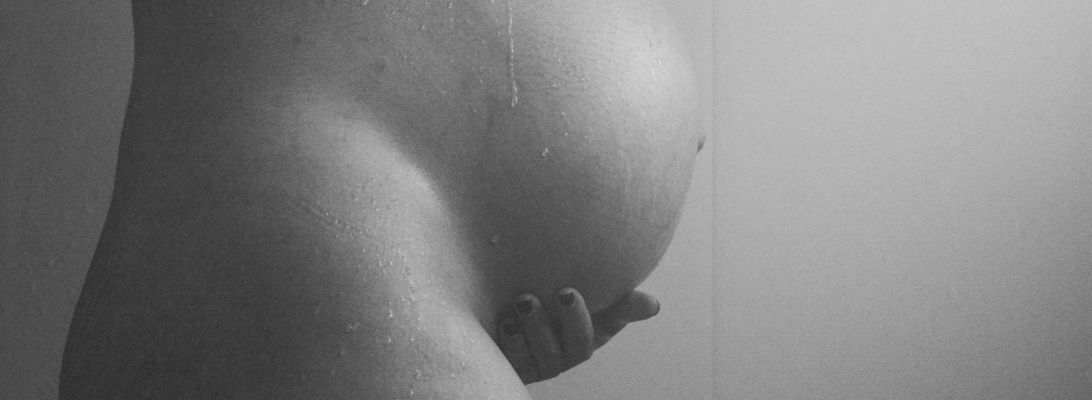
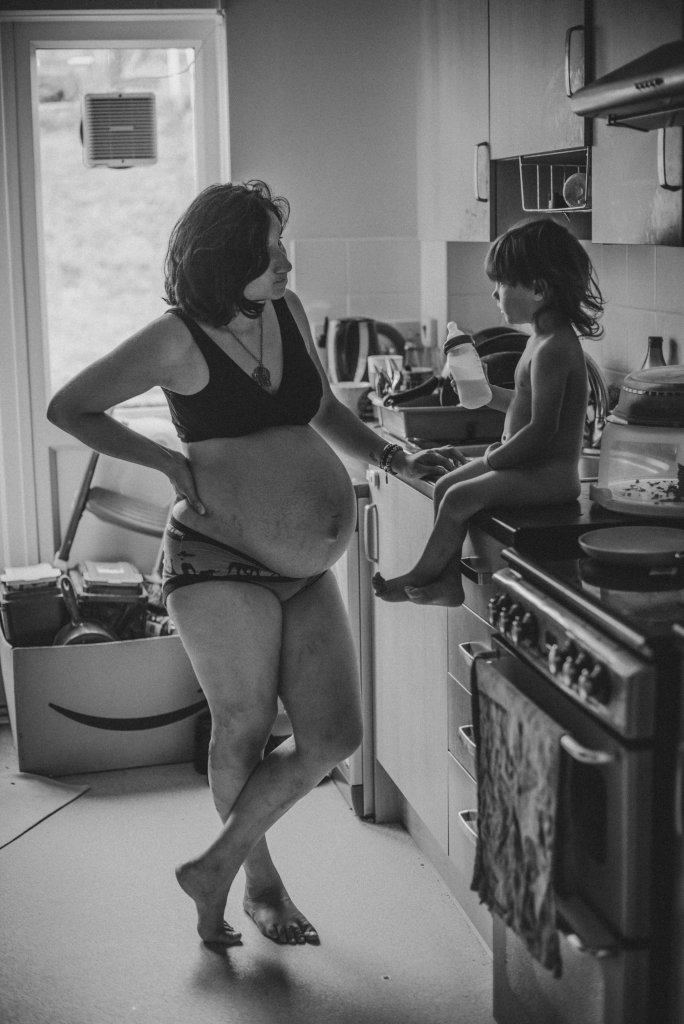
These are late in the third trimester, taken by Gaby on film, at our 2nd pre-birth meeting.
Ezra Krishna was born almost 2 weeks over the NHS due date we’d been given, and I was exhausted. By 35 weeks I had already starting counting down the days and weeks, never thinking I’d be pregnant for another 7 weeks from then. I was convinced baby would arrive by 38 weeks, and I was ready – or I thought I was.
But 38 weeks came and went. Then 39, then 40 and midwives started suggesting interventions. In the weeks leading to our due date, I’d had several periods where I thought labour was starting, only for things to frustratingly taper off again. At one point I was so sure I called Harrison home from work, only to find that the labour signs stopped with the kids bedtime. Exasperating! I learned a lot of patience through my impatience, and had to do a lot of letting go.
I was offered a membrane sweep, which I had made clear I would not be having early on. I was told at 41 weeks I would be booked in for an induction in 5 days; again I declined. I said I would go in for monitoring instead.
41+5 arrived and I lost a fair amount of my mucus plug, with the blood on my underwear to prove it. I called to inform the hospital I would not be attending my appointment for monitoring as I was in early labour. The response was shocking – passed around to various phones, I was finally told that I wasn’t on the system. This annoyed me, as if I had gone to the hospital I would have been alone, leaving my 2 kids upset with my husband … but I said okay, and goodbye. I was prepared and excited to relax and look forward to meeting my baby.
Just a few hours later, things felt slow but similar to Ila-Rae’s labour, when I got a callback from the maternity service. They wanted to know why I had missed my scheduled induction (the one I’d refused and said not to book as I’d be waiting for spontaneous labour!) and told me I was required to come in for monitoring. I said I would go in tomorrow for monitoring ONLY but I was not leaving the house that day – and so the Midwife began to rattle off the dangers of having an overdue baby, telling me “it would be a shame if something were to happen, or if baby was stillborn” because I had refused induction. I was talked to like I knew nothing, and told there was medical necessity for me to attend that day. I declined, telling the Midwife I knew my rights as a birthing person and that I knew my body and baby – I would not be leaving my house. The firm message for me was “the first intervention in labour begins when you leave the front door.” I knew I wanted a homebirth AND I knew I would transfer if needed – I wasn’t going to risk my health or baby’s… but I wasn’t going to be bullied either.
My oxytocin levels plummeted. The stop and start labour for weeks had been frustrating but this was 100× worse. I felt so angry. And sad. And annoyed by a system that believes so little in womens abity to birth their babies. I had no contractions for hours, and then when they came they were less intense… it was clear that our baby would not be arriving that day.
So I shared about it on social media carried on with the day, did bedtime and all that jazz. Once the kids were asleep, Harrison and I had an angry and enjoyable conversation about the social media responses I’d received, which let out a lot of tension I was holding. I am grateful to have a partner who gets angry with me, and who believes in me so much that he was perfectly fine going against the professionals.
After a while, decided to go to sleep. I knew this labour was the real deal, but like so many birth stories I’d read, I still didn’t feel safe enough so my body was holding on. I tried to create my oxytocin bubble again, using my affirmations, and visualising what I hoped for in this birth. I slept intermittently between 12 and 4, exhausted but unable to fully rest. I remember downloading a contraction timer app, but honestly gave up because it was more of a hassle. I knew this was labour, my back hurt in a way that it hadn’t in my previous labours, but the rawness was there. At 4am, I gave up, went to make a sandwich and started to watch the clock.
The surges got more regular. Every 5 minutes or so, raw but manageable. I text Gaby, and got busy getting into my zone. I was so excited. A day labour! I hoped we’d have some beautiful light and a day birth … by evening it was a point of joke that I’d even thought it would be possible.
The day was stop start… some moments extremely intense, some moments of laughter and relaxing. I was so frustrated at points because I felt like everything I thought I knew was going out the window. Ila was by my side, the whole day. Harrison made sure everyone was fed and had drinks, he kept checking on me, and was flitting between the kids and my needs. Theo spent the whole day watching Maddie’s Do You Know… honestly that woman has saved so many moments for me, she deserves a written thank you! He binge watched telly and ate and played a little… got in the pool briefly and then back to telly and sleep. Completely different to how I’d imagined – we’d spent hours over the weeks leading up talking about birth and waves and crowning, but on the day, he knew he needed his space. In the end, I’m grateful for that.
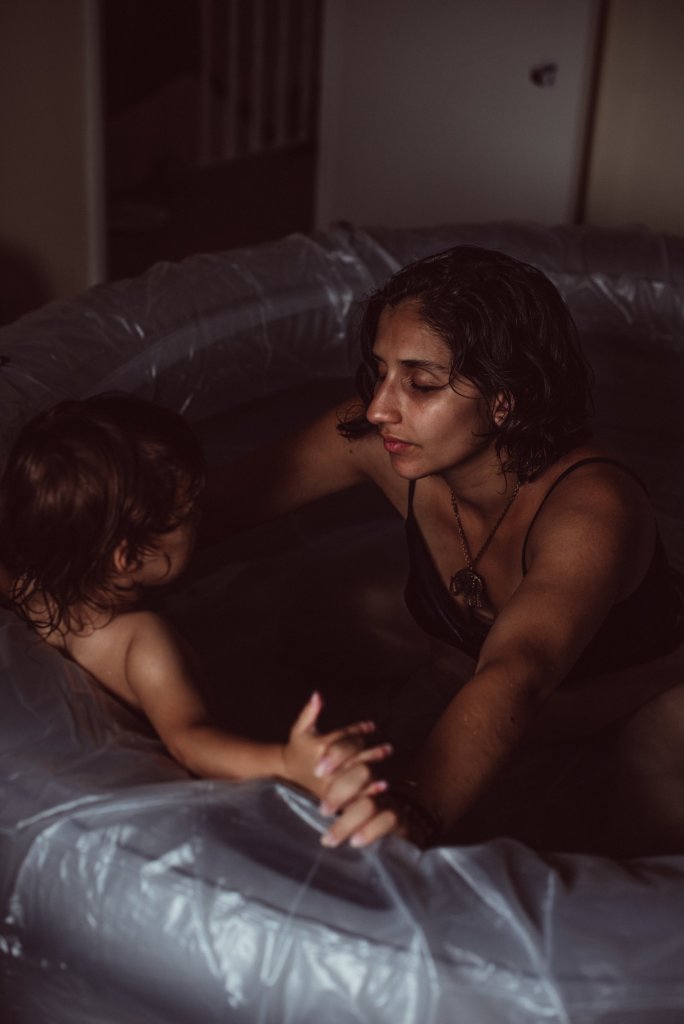
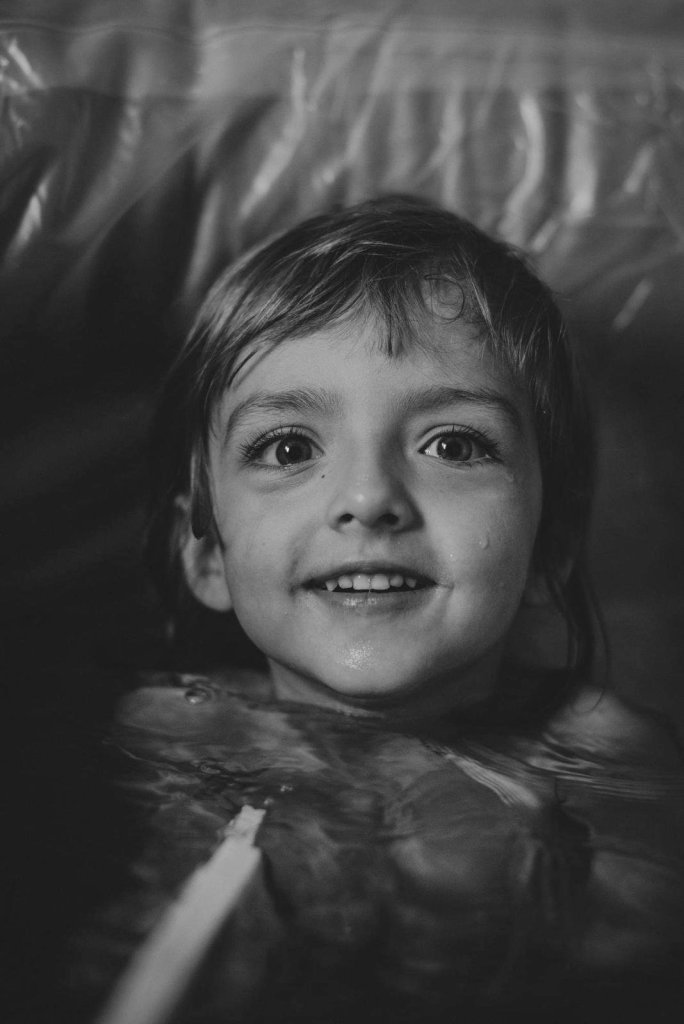
The pool with Theo and Ila was not what I’d imagined. I thought it would be nice and calm and homely to have them with me… but they were so excited. Theo kept splashing, Ila was stuck to me. She knew something was happening but she didn’t understand. And as the back pain got worse but contractions didn’t seem to regulate, I started getting more and more frustrated. She picked up on it all.
Eventually I kicked both kids out the pool to watch a film. It was needed but then the guilt and sadness began to take over. The excitement was fading… and I was struggling.
Midwives weren’t much help. They came which was a surprise as we’d be told they might if they could be spared, but we were given no time frame. I asked for a VE which was agony – but I couldn’t carry on without knowing…. I don’t regret it. They said 4cm… except, it could also be 6… they couldn’t decide. So they stayed and observed me for an hour. Contractions were irregular, some almost unbearable, some much more manageable. Before leaving they checked my dilation again – this time talking between themselves about babies position (but not telling me at all!) and then telling me it could still be 4, but they could stretch me up to 7/8 (that was painful AF!).
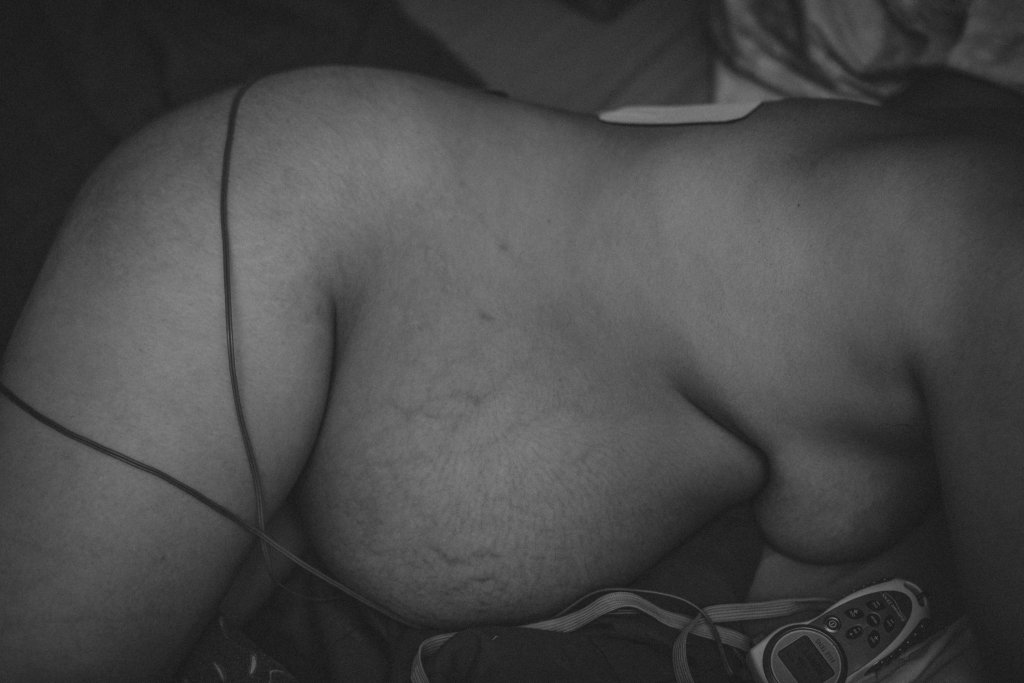
It was around this time with the midwives I think that Harrison suggested the TENS machine… I had totally forgotten about it, but it was a welcome relief. I had only used the water until that point, and lots of movement breathing.
Then came the most intense part. This memory holds the most strength of labour still for me, and the vulnerability I felt brings me to tears. I remember lying on my bed. Curled up into my inner space; this was my time for rest… and I did. I slept in between contractions so intense I felt like I was being ripped apart. In the later moments as I lay down, turning my TENS machine up so high I felt the reminence of those shocks for days after – I text a friend telling her I felt like I was dying. In that moment, though I knew this was the intensity of labour, I truly felt like I couldn’t go on.
In between my sleep Harrison brought me toast. The kids fell asleep.. Ila lay next to me, wanting to know I was close. But then things got too much… Harrison took Ila, and just as he got her to sleep downstairs, I had an intense contraction. Instinctly I moved onto all fours. Something shifted.
Harrison downstairs. I told Gaby – who had sat with me and gently assured me that I was okay, that I could do this, that I was doing this – that I was going to get back into the pool.
Tens machine off, I got into the pool and transition began. I was so deeply in the zone that although I registered Harrison telling me he thought we should call the midwives again, i couldn’t respond. He made the decision and got on the phone.
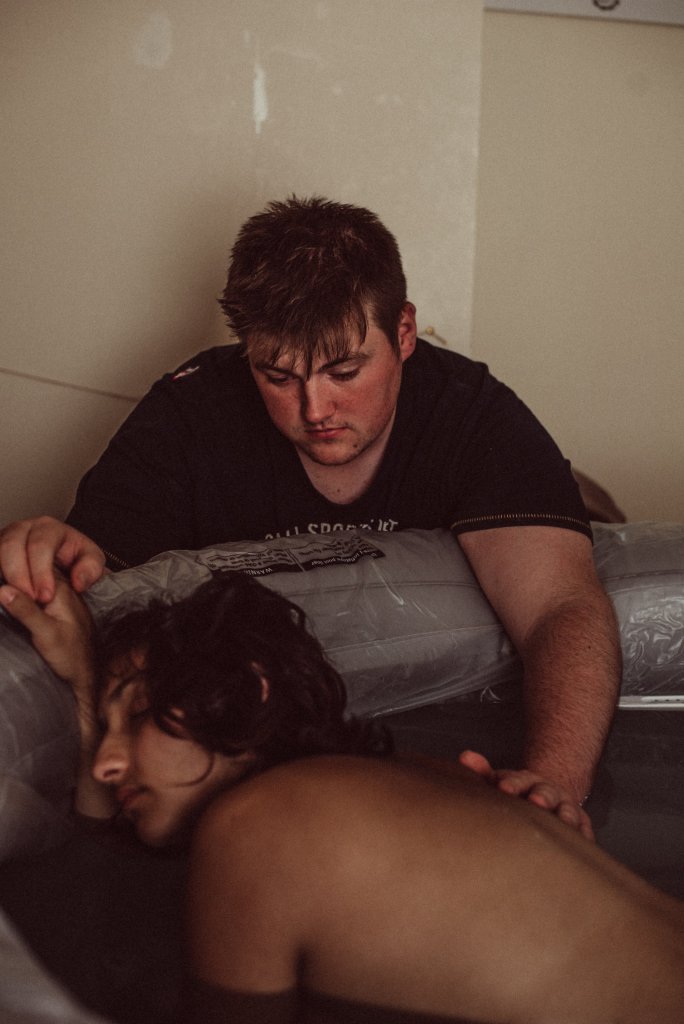
This is one of the few really intimate moments we had … because he was so busy making sure I had all I needed. He’s exhausted, I’m in the deep space of Birth…but when I look at this image, I see the trust and support. I see the love.
The next contraction came, and my body took over. I was pushing.
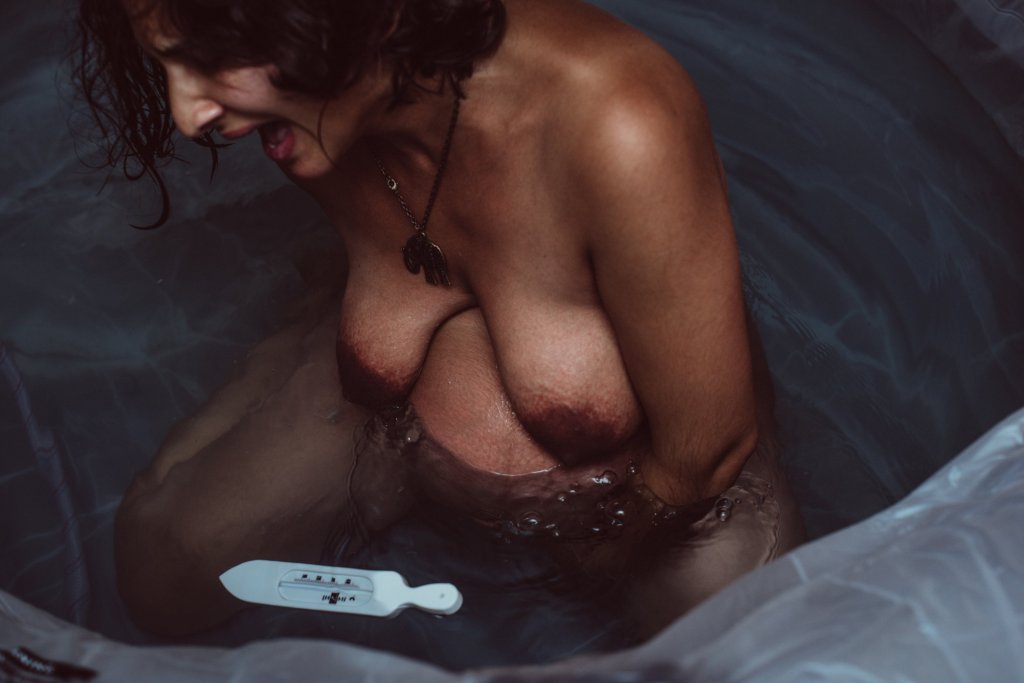
I could feel our babies head. I screamed. I roared. It was intense.
"Sometimes we roar our babies out"
The midwives told Harrison to call paramedics instead, but I was pushing, the baby was coming and I would not have been able to wait even if I wanted.
I don’t know how long it took from then to holding him, but he arrived, roared out with such intensity that I woke Ila up.
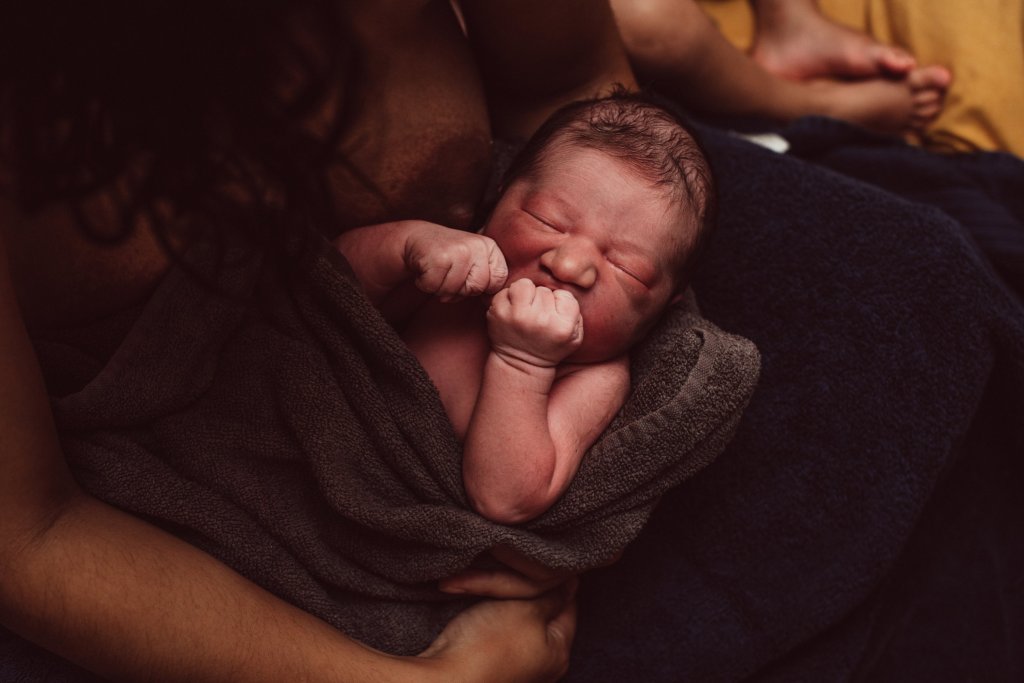
Then he was here… Harrison told us baby boy. I just sat, having caught him and pulled him up onto me, unwrapped his cord from his neck, I was still in awe. Somehow my body had known I needed the water… that I was ready, but I had doubted myself so much that the reality of holding my baby was still a shock.
My loudness had woken Ila up, so Harrison had brought her in, and she tried to get into the pool with me again. Instead, I got out.
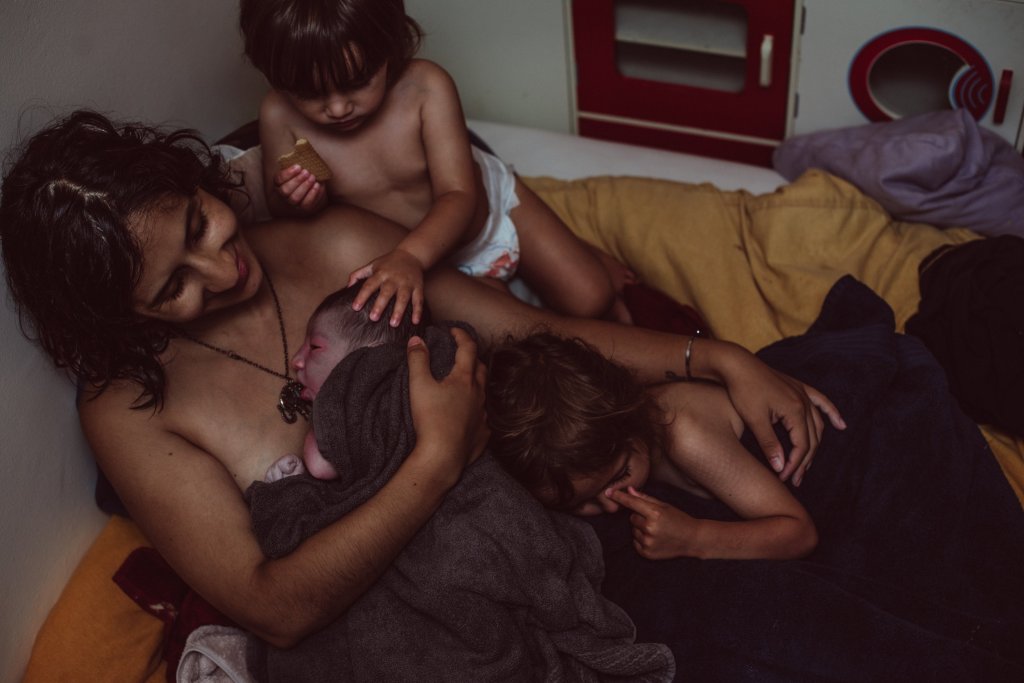
Before I even sat, our placenta was out. Easy as anything, and intact. I put it into a bowl and curled onto the bed, with Ila there, munching a biscuit and our baby boy wrapped in a towel on top of me.
Ezra. He was here.
I drank some herbal tea to avoid major bleeding – given my history with Theo, this was a precaution and a mental safety net.
Harrison was still on the phone. The paramedics were on their way… but it would be hours yet.
Theo woke up, cried and came up the stairs. So soon he was cuddled in… completely indifferent to the newest addition in my arms. Harrison was already sorting out the pool… checking in on us while he worked. I had afterpains… and they were Intense! It’s true, they get worse with every child.
We moved the towels I’d been sat on, put some fresh ones down and began to just settle in, trying to latch Ezra but he wss mostly sleepy and content.
When the paramedics arrived, 2 hours after we had called, they were shocked at the fact midwives hadn’t even called to check in. I showered, and was still bleeding steadily so, against my deepest wish, but following advice, I decided to transfer in.
I am a person who deeply believes we can birth in the way we want. That we intuitively know if something is wrong and that I was in tune enough with body to trust it. I knew I hadn’t torn, and that my bleeding was normal. I also knew my previous bleeding with Theo’s birth was for concerning, and that this pregnancy I had not been given an iron transfusion. I knew I was fine… but I also knew I didn’t want the trauma for my children of rushing mummy into hospital hours later because of bleeding. So I transfered, to be safe.
I have to say though, the paramedics were very respectful about my hesitation. The male paramedic was concerned by blood loss, because he couldn’t gauge it from the pool (which was gone) and towels had soaked up so much water as well as blood. The female paramedic was trusting, she gave me the space and made sure I knew the power was in my hands. It was my scene, and they were there as an assist.
Gaby was still with us too, hours after the birth by this point, so she prepared to leave as I did. She was so incredibly calm and centred. She was exactly who I had needed with us, not just for me, but for our whole family. I told the kids they’d pick me up in the morning and kissed Harrison goodbye. It was bittersweet and part of me hated it. I wanted to be in our bed, snuggled up with my children. But there was no Midwife coming… and I knew this was to be part of our story, so *deep breath* off we went.
Story to be continued in the immediate postpartum writings … below are more images from our day 💕
These are some more of the parts of our story.
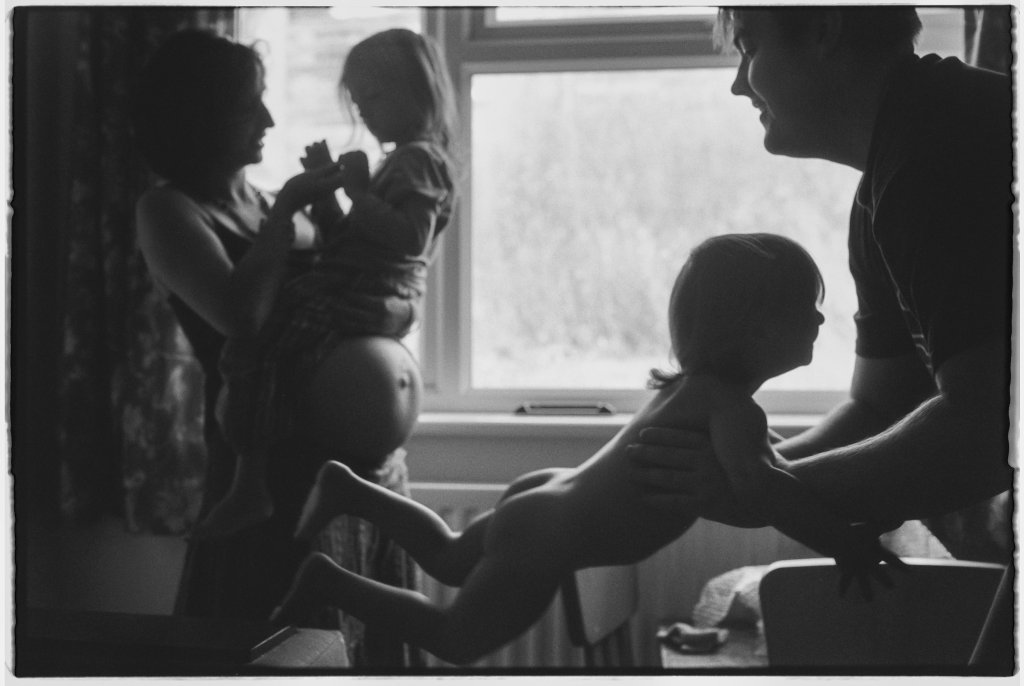
I know that for some people, birh photography is something they wouldn’t dream of… but others are curious. These images form part of our story – they capture both of my older children on the day their brother was born, they capture the support I had from my husband, they capture the depths of my commitment to birth my baby in a way I knew I wanted. It hard, but ultimately healing.
If you think you might want someone to capture your birth… ask around. It is absolutely something I don’t think anyone would ever regret…. because it isn’t just a photo, it’s a story of the journey.
When I found out I was pregnant with my 2nd child, I immediately began to look for a placenta encapsulation specialist. I budgeted for it, and made it my non-negotiable gift to myself – placenta pills to help me through the 4th Trimester.
For anyone in the area, I cannot recommend Danielle from Afterglow PES enough.
However, with my last pregnancy, we didn’t have the budget for it, and so found myself searching for ways in which I could safely encapsulate my placenta myself this time. I shared what we had done on social media and had a few requests asking how … so here is what we did:
Birth the placenta on land. For encapsulation, your placenta must no be birthed in water, so after baby was born, I got out of the pool and my placenta arrived quickly after. We had a sterilised bowl for it, so popped it in there and let baby soak up all of the goodness.
If you are at home – make sure you either begin the process of encapsulation within 3 hours after birthing it OR refrigerate it until you can – this will allow it you approx 72 hours but the sooner the better.
I couldn’t do this as we transfered to the hospital so instead, we packed a box with ice and put the placenta in a bag inside the cool box. When I got home, it went straight in the fridge until Harrison cut it for me later that day.
Here’s a step by step process of what we did:
After admiring your placenta and possibly taking pictures if you want to, begin the process.
Step 1 – with a sterile area, cut the placenta into thin slices OR small pieces.
Step 2 – place the pieces into a food dehydrator and turn it on. It will need to be on high for hours, possibly overnight.
Step 3 – check the placenta pieces are hard — they should snap when you try and bend them. If they are flexible still, they aren’t ready.
Step 4 – when they are ready, powderise them. I used a blending machine for this bit.
Step 5 – pour the powder into your capsules. This is time consuming – made a little eaiser by a capsule machine… but I struggled to make sure the capsules close effectively etc.
Step 6 – enjoy the benefits 🥰
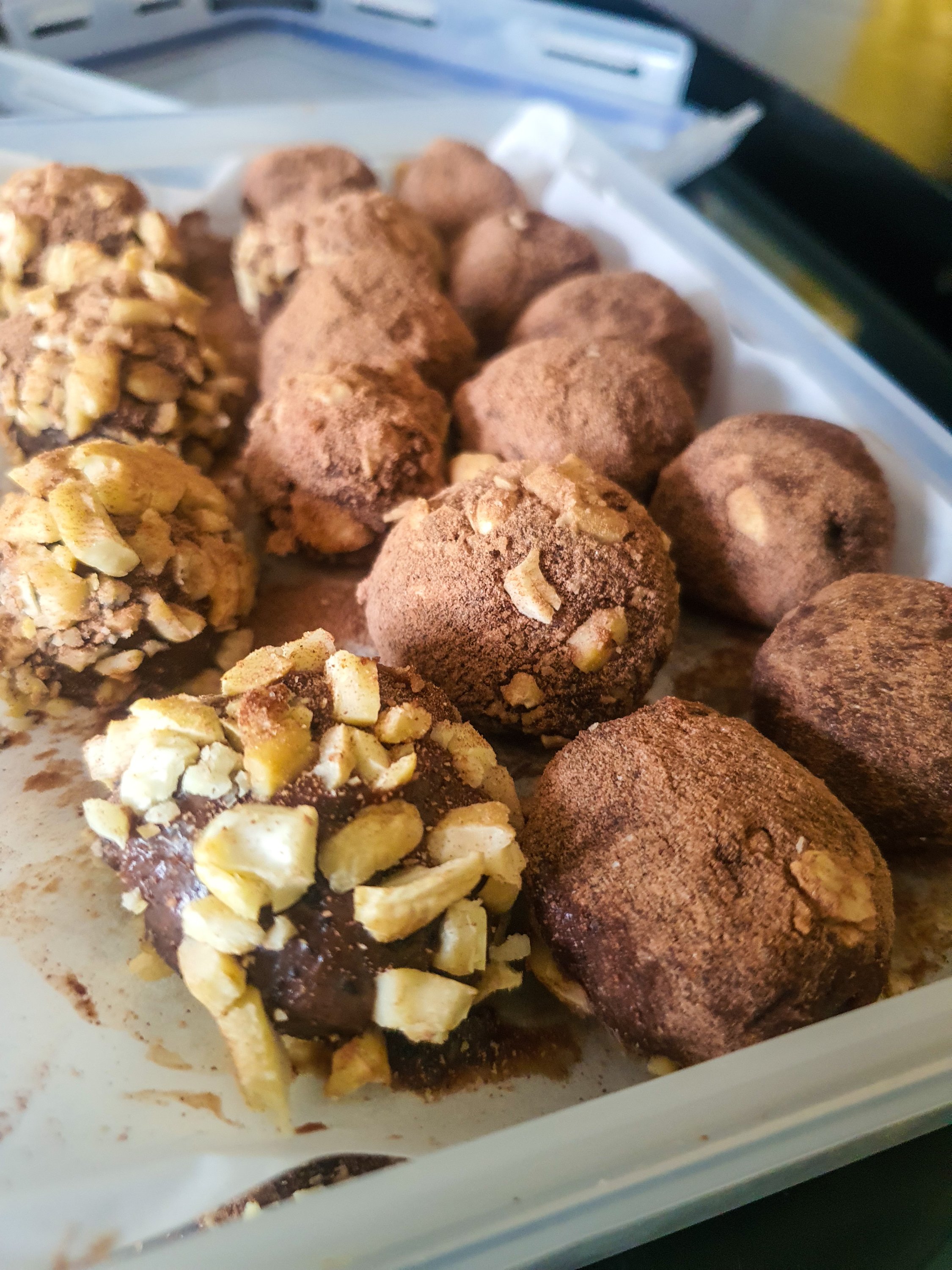
I take 1 a day and made 100. There was about half the powdered placenta left over, so I made placenta truffles with this recipe and have frozen them for when I want them in a few weeks time.
Below are some images of the process – I assume if you’re reading this, you expect to see a placenta (image 2), but if you don’t want to, now you know to scroll past 😊.
The finished product My husband was incredibly supportive and even cut up the placenta for me while I fed baby and napped with the older 2.The cord can be kept and used in cord art or discarded as you wishPlacenta pieces dehydrated and ready to blend It made a lot of powder The truffles are definitely a great extra to have made, and simple to make which was a bonus
Placenta encapsulation is definitely not something I ever thought I’d be doing myself. However, I am grateful we had the opportunity to do it, and I would 100% recommend trying to if you can’t find an encapsulation specialist and you want them done.
It wasn’t as hard as I thought I would be, and though Harrison did the messy bit by actually cutting it, overall I think it was a fairly simple process. The benefits of hormone regulation, increased milk and a faster physical & mental recovery from our birth story has been well worth the time taken.
Overall, I’d report a success 💕
Have you encapsulated your placenta? Did you do it yourself?

























 Supporting you from pregnancy to parenting