You know when they’re little, they say some things but it sounds a little funny because they can’t quite pronounce it yet. Then suddenly, that little difference stops, and we wonder when they learnt to say words the way we do. Every time I hear my littlest talk at the moment, I want to record it all because I want to bottle it up and preserve the sweet accents and voices he does. Of course, that defeats the purpose of being in the moment and actually listening, but I have snuck in a few videos to send family and save as reminders.
I know that these years are fleeting, even when they feel busy. As we approach birthdays, where K will be 2 and P will be 6, I am reflecting on the way they have changed and the language they use. I don’t even remember when it became possible to have such grown up conversations with P, but he’s chatting away nine to the dozen daily, always with a new idea, explanation or request to build something in play. Today we’ve been playing Archelon nests and Ovoraptor mums and I’m struck by how this has become such a norm for us.
P delights in telling me everything about anything; and some of the most interesting conversations happen while he’s chatting away after bedtime, or when we’re out and I can lend him an ear a little more readily as we walk along. He doesn’t get words in as often as he’d like because I’m pulled between all 3 kids, and I can see that it’s having an impact; so when we’re out and he tells me about life and stories, I savour as much of it as I can.
A on the other hand, doesn’t wait for opportunity, she will talk and talk and talk, and has been for years. She really enjoys watching videos on my phone that I’ve taken of them over the years, and sometimes will tell me there’s a specific one I need to see. It gives me the chance to relive some of the best moments, and reminds me why I capture so much when I can; because they change and it feels like forever but also too soon. Hearing her talk on these videos brings to light just how early she’s articulated and narrated her life; and I do sometimes joke that we must have blanked out some months during the pandemic lockdowns because she feels far more grown up.
That said, though I watch my children and marvel at the way they act for their years, I also know they are very much this way because they’ve been given the freedom to grow their voices, challenge us, and come back to safety. I didn’t start parenting thinking this would be the way we parent our kids, but as the years go by, I am more convinced that it’s working well for us. A mix of ideas, lots of trying things out and lots of changes to empower the humans we’re growing with.
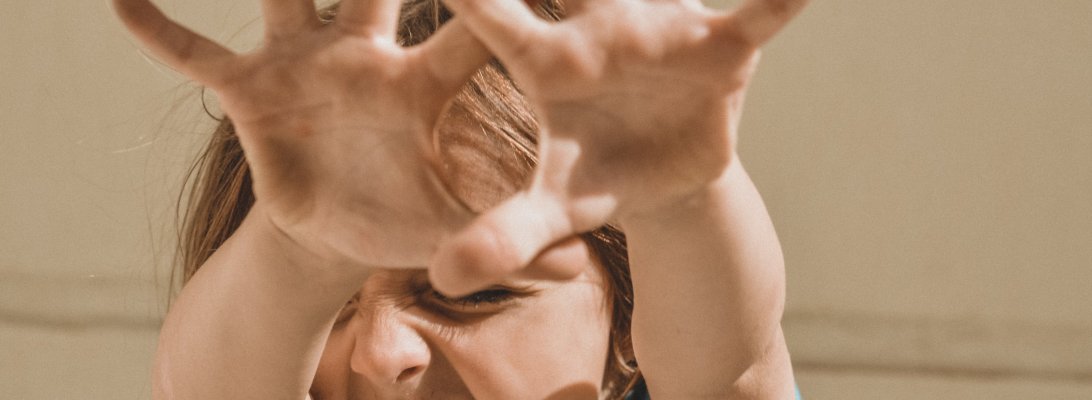
A couple days ago, I asked P to stop swinging and hitting the wall with his feet. A little while later, he got upset with his sister and went to throw a punch. We sat down, he screamed at me and told me he had to go hurt her because she started it. So I said “I get it, you’re so mad right now, your hands won’t even let you stop being angry” and then I showed him how when we clench our fits ready to punch, our body and brain message each other to be angry. Alternatively, when we hold our palms flat, open towards the sky/ceiling, our body and brain send messages of calm.
Fascinated, but still upset with his sister; we turned it into a game where he would do something he knew wasn’t allowed – in this case hit the wall as he swung, and I would be “super, extra anrgy mummy” making a fist, stomping my feet and growling before chasing him until he turned around and opened my palms up to the sky and I’d sigh and relax.
We soon had A involved too and they giggled and giggled at the game; which from my reading about playful parenting, I absolutely took as a good sign on emotional release.
I not only marveled later about this snippet of our day from an emotional regulation perspective, but also through the lens of their little voices. I don’t have the urge to video record everything anymore with P, because he’s chats are so different, but I will bring out the dictaphone we bought to record stories with him; and a while back when he was interested and asked me to, we recorded some stories on a podcast for them to listen to. It’s hardly used, and there are about 4 or 5 I haven’t got round to uploaded yet because the interest was lost; but if they want to pick it up, we can. I loved recording them with him, especially where he’d say the words too, because it really felt like a moment of his voice frozen in a beautiful way. I’ve also used it to record stories for our Yoto player, and that’s been fantastic because they absolutely love listening to library books we’ve borrowed and returned, but preserved for when they are in the mood.
Speaking of our Yoto player, P gave me a quick lesson about how our lungs have trees called alveoli and about how the skin is actually our largest organ. He loves lying down with the player and going through the cards when I am busy with his siblings.
His sister on the other hand isn’t fully into audiobooks, but I have often walked into her reading to herself or chatting away about something in a book, to whom I presume are imaginary friends around her. Her chats are so different to his, and while he tells me how things work, she tells me how beautiful life is. She’ll tell me she loves things, the colours, the shapes, the sounds. She’ll ask to play games with me and then get bored, go find P and I hear them playing a version of things they’ve watched on TV, chatting away and planning roles. It’s the best sound, and one, I really never imagined we’d get to when they would fight all the time.
Home educating them has meant we focus a lot on conflict resolution though, and I can see my attempts and explaining energy and actions are starting to show. I can see how, even though I’ll have to call out “sort it out guys” or step in like with the punching scenario above; they are also learning how to work together. They call themselves a team, and P will say our team has 5 people, but because daddy’s away, it’s got 4 right now until he’s back. It’s a wonderful thing to hear for me, because even though I know it’s his coping mechanism and sounds a little sad, it’s also a beautiful one, and healthier than others from the past. I can see the growth, and importantly, I am learning more deeply that while I have influence over my children as their parent, I cannot control the way they react to situations but I absolutely can do my own inner work and co-regulate with them to build resilience as they get older.
This month has been a rollercoaster, in the same way that many months have been, with changes of direction and disconnection while we each find out feet figuring out what we need. I’m leaning into screen time as a tool for productivity but also for connection; joining them in their joy while they show me what they can do on a game, or chatting with them about the episodes they watch. I’m adapting so that they can have moments of time with me, which had been few and far between since their dad left in April, and I am factoring in, for the first time in years a 20 minute yoga practice that even if it’s midnight, I will make time for.
I tell my kids about their playdough brain; reminding them they can grow their brain and expand their capacity regularly. In doing this, I guess I’ve also been giving myself room to expand my own capacity too; slowly integrating the future I want to manifest for them from a cognitive ideal, to an experience. I have spent years focusing on making sure they know about their brilliant brains, and in doing so, I’m seeing this month how my own brain is brilliant too (and as a reminder to you reading this, yours is brilliant as well).
Wishing you a beautiful day, week and month ahead.
With love,
Rohana x




 Supporting you from pregnancy to parenting