
Self study, dopamine and why I’m not worrying that my kid can’t read yet.

I’m currently taking a Chinese medicine course, all about Traditional Chinese Medicine in relation to women’s health.

When I read about it before buying, it sounded fascinating.

Now, taking it, I’m really struggling to understand anything, and as a result, I’m putting off the study. There’s so no dopamine hit at completing units because I think I’ve understood it, and then realise I’m still very confused.

I’m learning about myself as I go though, because nobody is making me do the course. I could quit. Nobody would hold me accountable, and yet, I’m continuing – at snails pace – knowing that if I keep at it, by the end, things should fall into place and I’ll understand.

I’ve got pieces of the puzzle, but not the big picture yet.

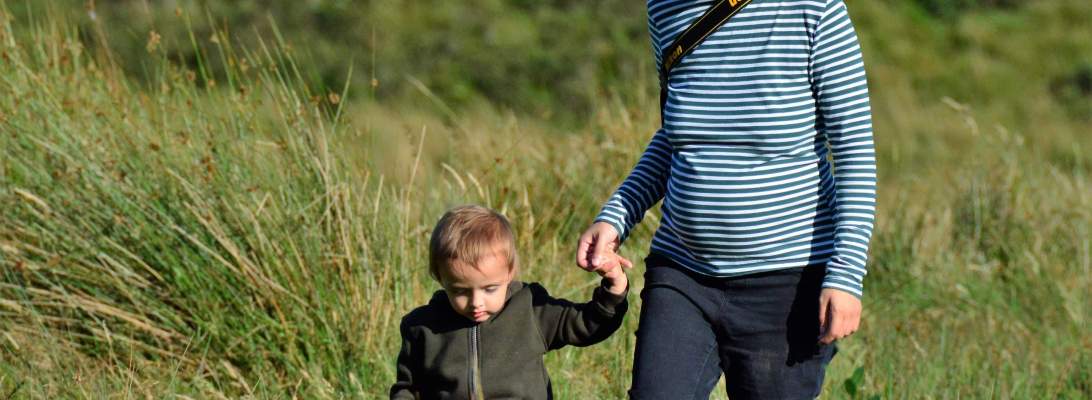
As I watch this unfold in my own life, I’m also reflecting on our home education styles and where my children are at. P is 6 and he isn’t reading or writing yet, he can recognise letters, and even some words, though will often choose to say he doesnt know. A is 3 and showing a bit more interest in writing letters, though only on her terms. If corrected, she gets upset.

They are both at different stages, both with different pieces of the puzzle.

P doesn’t get a dopamine hit from reading or writing in the same way he does from science experiments or inventing. A gets more joy from writing, but she also gets frustrated quickly. She loves making up pictures and will come tell me about them, and the delight in her sharing is something I am determined to preserve. To me, it isn’t worth pushing anything more that that, because I trust that it will all come in time.

If they were schooled, in this country (UK) generally, most kids are expected to have at least started on the writing and reading path by the age of 6 (earlier for many). If not, they’re the B word – behind! The pressure put on young children to write and read is immense, and I’m not immune to seeing others children and worrying about if I should push mine more. That said, even when I do worry, I come back to a place of trust, unpicking my own feelings of being ‘behind’ or not performing well enough when I was in school. This is the beauty of our choice to unschool – a label I’ve become more and more comfortable with adopting recently.

As I reflect on my course and study, I know that as an adult, I understand the long game and benefits of continuing even when it feels hard. The ability to delay gratification is a skill I work on, and in this case am leaning into. I can see that eventually the pieces will come together; and I’m giving myself permission to take it slow but also not give up.

As I watch my kids, especially P, I see this kind of grit and motivation when they do things that come from a place of pure love. When they build or draw or tell a story, or even climb a tree; and they fall or it goes wrong but they get back to trying, slower, learning, more cautious yet determined.

It is something so easily missed if not looking, but once you see it, the intrinsic motivation in our children is a beautiful expression of their humanity. The drive to accomplished something, not for a sticker or praise, but for the genuine love of it – it’s in all of us, stamped out by instant gratification systems and manipulative rewards.

I am learning to slow down more, lean in to the long game.

They don’t need to learn it; they already know it, innately.

When P turns to me and says, I want to read, I’ll be ready. When A asks, it’ll be the same. Maybe I’ll get the bonus joy of them wanting to do it together, a joint learning adventure.

Until then, I’m not worrying too much. I’ll learn for my own joy, and we’ll listen to audiobooks and read stories from the bookshelves. We’ll play and dance and take the pressure off… and maybe by the time I finish this course, I’ll be better equipped with new resources anyway.

As ever, thanks for reading.

With love, and a reminder that nomatter what, you are enough,

Rohana x

As they grow and develop their skills and understanding, more puzzle pieces fit into place. They’ll start to find more joy and less frustration and they’ll choose to both read and write for fun in their own time.
Radiators, Drains and Energy transfer

A while ago a friend of mine was chatting about energy vampires, and how the term really wasn’t fair because often people don’t mean to suck the energy out of others. Instead she said, she was taught about how people can either be radiators or drains.

We can radiate joy or love, or we can pull the plug, and it’ll drain out of us, and eventually other people to.

This really resonated with me, because I think many of us go through periods of being both of these throughout our lives, and sometimes, we’re neutral – though always a little more inclined to one pole. That said, life in 2023 is anything but binary, so of course, thinking about our energy contribution or contamination is the same; we all sit somewhere in the spectrum.

Where we sit is up to us. At least in part.

Yes Tony Robins will tell you that you decide it all, that you have a giant within and can bend space to your will; and I believe him to an extent, but I am also a neurodivergent woman who’s got 3 (also likely neurodivergent) kids and a 12 week old puppy. I know, that as much as I can decide something and make a plan, life happens. What I can do is figure out who the biggest energy in the room is.

Confused? Yeah, I was too!

It’s taken me a while to figure out what I meant when I wrote that down in a journal after listening to many talks and coaches and trying to figure out why I was still spending days spinning out when my kids and life got chaotic.

I can control what I do / how I react within the capacity I have.
I can check in with my body and see where the energy is.
I can look to find the biggest energy in the room – i.e. who’s the radiator or who’s the drain, and who’s winning?

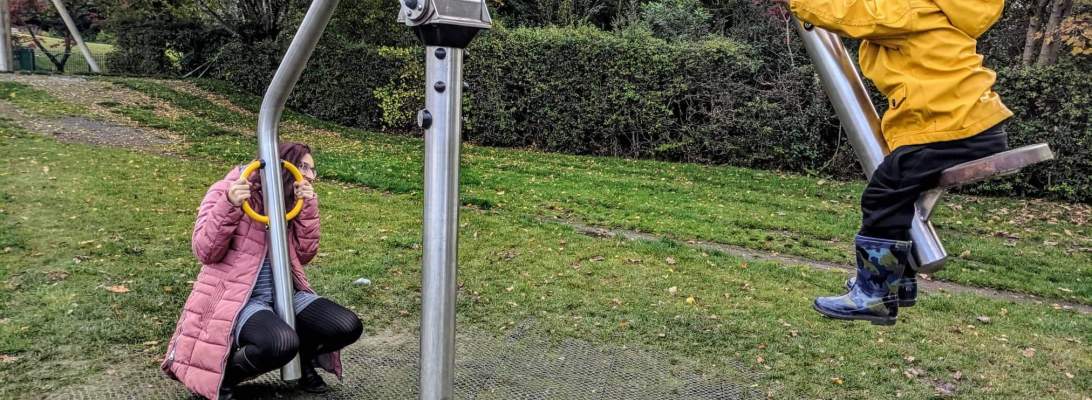
If I’m with my kids and my 6yo is bringing all the radiator energy and LOVE for whatever the game is, I will absolutely give him the space to be the biggest energy.

Conversely, if he’s in a grump or screaming; I need to be a bigger energy so that I can help him through co-regulation. Fancy word, but all it means is I can step in to help calm without joining the chaos. Importantly, I need to genuinely validate the chaos first.

Then, I set the mood by leading.

I choose to drain the grumpiness away and instead radiate a more neutral feeling.

Does it always work? Nope.
Is it effective? YES!

Like everything, sometimes things change, sometimes I’ll try switching to fun and they’re hungry or too hot and the attempt at fun actually peaks a whole new drama. Sometimes, I just haven’t got the energy.

But regardless, as my son said to me recently “we’re all just made up of energy and molecules moving around” so no-matter what we’re doing, we are somewhere on that spectrum.

“we’re all just made up of energy and molecules moving around”

P, aged 6

I’ll leave you with these musings for now,

As always, thanks for reading. You are awesome!

It takes time to change

“You doing okay?” my partner asked today.

“I feel like a shitty mum and a shitty wife for dumping loads on you today” I replied.

“That’s what we do things, if you need help, ask”.

He just gets it.

So for context, the day has been SO good and also SO rollercoaster-y; like many many of the days in my life with the kids and now our puppy. We’ve had her for nearly 4 weeks, and it’s been the hardest time in many ways, and not because of toilet accidents or night waking.

I’ve had rebellion in the rain over shoes and socks at the park, and tears over wet bums and cold feet. Stomps because dinner wasn’t right and so many sibling arguments to referee today. It’s a beautiful chaos, topped into explosive territory because my middle and youngest child have started squeaking like squeaky toys around the puppy, and freaking out when she comes to play and jumps on them. So I’ve been separating the crazies all day.

Pretty normal.

Also a lot.

Which led to this text conversation… and me sharing my feelings.

And then, true to pretty much everything in life, especially with P, he couldn’t sleep. So started to chat about molecules with me; and we went downstairs to tidy up and set up an experiment.

3 bowls – water, ice and air.

He sat on the side; and watched, telling me the water would evaporate and ice would melt.

It takes time for things to change mummy

Another day, I might have nodded along and agreed without much thought, but tonight, he brought a much deeper lesson. He was talking about the molecules in the ice cube; I was hearing words that resonate about life.

It takes time for things to change.

And honestly, we live in a world that prioritizes instant gratification so much that waiting feels especially hard. We want things now, we want things tomorrow, we want things yesterday.

I think we’ve forgotten the beauty in the build up of excitement while we wait for things.

Its not easy, in fact, waiting is downright uncomfortable, and probably why I’ve been in such a weird headspace today; but waiting is a part of life, and the fact that he gets that; the fact that it’s just normal (ish) for him, makes me feel really hopeful tonight.

Wherever you are reading this,

Whatever life is bringing you,

Whatever changes you are waiting for,

It takes time.

So I’m here waiting with you, and want to remind you, you are loved, you are important, you are enough.

Thanks for reading,

xx Rohana

The Ripple of a Supported Postpartum Period.

The experience of welcoming a new human earthside is a remarkable journey. I’ve done it 3 times… and the feeling I get when I share my experiences, and listen to others is incredible. There is something so sacred about birth.

However, though absolutely deserving of the attention it gets; birth is the highlight in media and many conversations; with postpartum being a little left on the wayside. For first time parents, there is some emphasis placed on the changes of this transitional period (though by no means enough); but after that, it kind of just dissapears into the noise of everything.

Postpartum is just as – if not more – sacred that birth.

As I prepare to deliver a session next month on the postpartum period to some wonderful Doulas in training, I am called to write about it here too.
In part, this is because, through the whole rollercoaster of parenthood, the attention, support and social associations between male and female parents is so different. I honestly cannot speak from stories of same sex couples; because to date I only know 2 same sex parent families who’ve had children, both of whom are female identifying. That said, we’ve all seen the memes where mum goes to the shops and is expected to ‘control the toddler’ versus dad who is ‘so wonderful’ for literally being a parent.

Nonetheless, outside of social expectations, speaking to men about their experiences postpartum – it is just as lonely, if not more so for them. It is isolating. It is hard. They receive even less support, with many (much needed) services aiming to support mothers as they transition into motherhood, and few doing the same for fathers.

Yet, it is, in my opinion, vital to recognise, support and celebrate the role that fathers play in the postpartum period.
Supporting families as a whole unit here, in these early months, can lay the foundations for a family life that is built on a strong sense of connection, trust and nurturing. Not only is the child or children in a far more stable, healthy environment for their emotional growth, but both parents are more likely to communicate kindly with each other, have compassion, and connect in a more intimate way – which, let’s be honest, isn’t going to harm anyone’s sex life.

How can we support families as a whole unit?

In my postpartum prep session I dive deeply into conversations about the 4th Trimester and ways we can really support families.

If I could gift any new parent something, it would be this support. A step towards that is this information.

Nourishing the Body with Good Food:

One of the most fundamental ways to provide support is by ensuring that postpartum families are nourished with good food. In the absence of being able to literally take someone food (because honestly thats a BIG task), recommending recipies or supporting them to create a meal train where friends/famkly bring food, can make a huge impact.

The demands of parenting, combined with sleep deprivation and physical recovery from labour and birth, will massively affect new parent’s energy levels. Fathers, in particular, often are expected to step up to ensure that the family is well-fed during this vital period – and a sense of support and direction is helpful.

Nutrient-rich meals not only aid in physical recovery but will contribute to state of mind. When both parents are nourished with wholesome, healthy foods, they are less likely to falter in moments of stress, because they are physically having this need met.

Rest

In a fast-paced world, the idea of rest that isn’t justified by some kind of productivity beforehand might seem elusive. However, the fourth trimester calls for a major shift in perspective, where rest is acknowledged as a precious commodity. This is as true for fathers, who at least in this country are required to go back to their day jobs only 2 weeks after baby arrives, while still adjusting to their role as supporting the family in this new way.

Many conversations centre how fathers can take on more responsibilities. In part, yes I agree, because nursing a baby is a full time job and mums need rest. But, radically, I also assert that fathers should prioritise rest.

This should absolutely be a conversation before baby arrives. Dishes can be minimalised. Hoovering doesn’t have to be as often as it was. The house will be a mess and that’s okay. When dad’s rest is prioritised alongside mum’s, there is more balance, more opportunities for meaningful conversation and more joy.

Mental health

The last big focus in creating a supported postpartum experience, without diving into the other (essential) aspects mental health.

Yeah that’s too vague Rohana … we all know mental health matters, but how do we do anything about it?

  • Chat openly and honestly. Before having baby and after. Every step of the way… honest, non-judgemental conversations are essential. This is probably best done when everyone has been fed, and there isn’t insane levels of sleep deprivation being used as competitive advantage in the who feels worse game. But seriously, taking to partners about the JOYS and the things that are hard, makes a difference.
  • Divide and Conquer. Divide jobs/tasks. Remove everything that isn’t essential to be done by you/your partner. Delegates the none essentials. Easier said than done… I’m banking on the idea that you’ve got a gorgeous groups of family and friends who want to help (and can) OR a wonderful doula. If neither applies (it didn’t for me!), then lower the bar massively. Do the essentials. Survive. This isn’t forever.
  • Find friends. Groups. Peanut. Facebook local groups. Whatever is an option… if you can, use it. Parenting is isolating, and by having someone to give and receive some solidarity around, it helps. *careful not to just find ranting buddies who keep you feeling low*
  • Lastly, do things for joy. Don’t give up hobbies. Don’t ask your partner to. In fact, schedule them in with extra vigilance, because being reminded that you’re a human outside of helping this tiny person grow and survive is really important.

There’s so much more to say… creating a supported, wholesome postpartum and beyond experience isn’t going to magically happen. It is worth the work though, because when you are supported, you feel safe.

When you feel safe, your nervous system capacity can hold more.

When you feel safe, baby (and other children) feel safe too. Their mirror neurons mimic your regulated state.

Then, the cycle of safety, support, joy repeats. It cycles. And grows.

This time for growth and unity as a famkly builds the sturdy foundations of trust and connection, which, when toddler and teenage years come by, will be something that holds everyone through.


As ever, thank you for reading.

Rohana

Grief: The Death of our Dog

Talking to kids about grief is a big topic, and it’s often one that many parents find hard. Most adults steer conversations away from grief, or are awkward when it comes up. So talking to children is even harder.

And it’s even more important.

These are my reflections of our experience of losing my parents dog, how it’s impacted my children and how it’s opened windows into conversations that we’d have otherwise probably not have had.

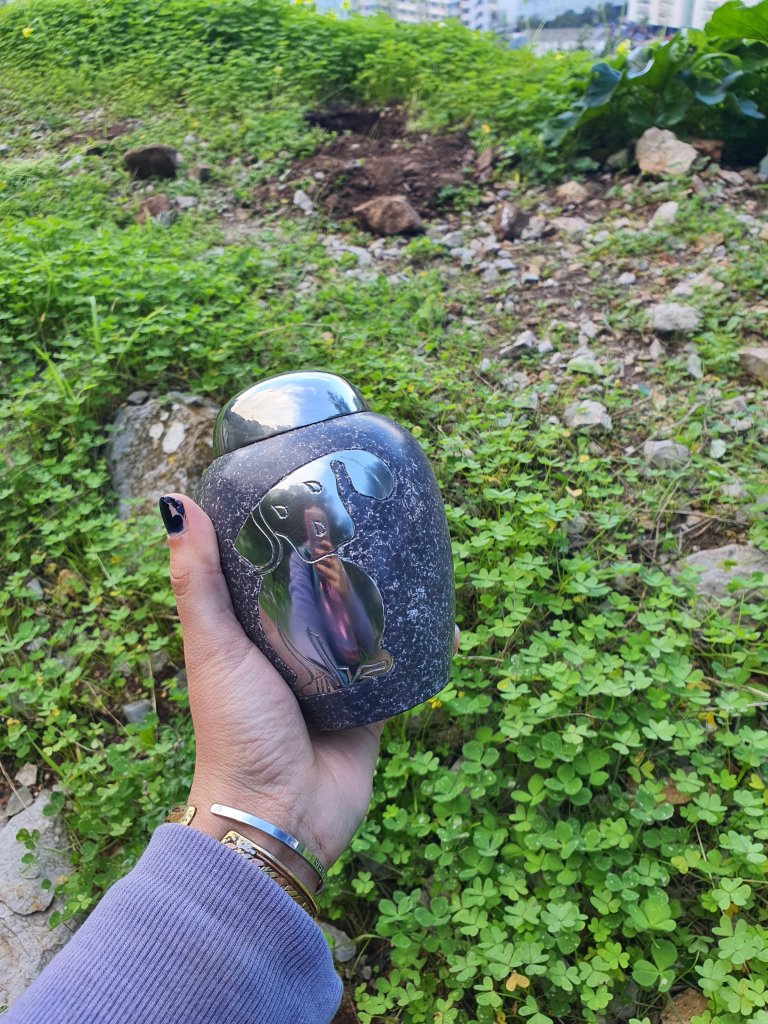
Last year, we spent a few months in Gibraltar living with my parents, and consequently my childhood dog who was 17 years old by that point. Soon after we came back to the UK, my dog (Lucky) died.

I didn’t bat an eyelid. Mum messaged me, and within the same hour I told my kids.

In my view, an hour, or day or week wouldn’t make a difference, except that I’d be lying by omission with absolutely no reason to. I knew it would be sad and hard, and I also knew that they would need the time to process it; so by telling them straight away, I could have my feelings and then be able to hold space for theirs when they came through in full force.

This proved to be an extremely valuable decision for us, because by the time the big feelings came a week later; I’d been able to light a candle, say a prayer, and celebrate the life and joy my dog had brought. It gave me the mental space to hold them, hear them, and also steer them through their grief. Yes she was a dog, not a person, but she was family, and they felt the impact of her loss deeply.

We had read books on death before, and regularly spoken about the circle of life, and we’d told the kids that Lucky was old in her bones. She slept a lot. Was slow. We knew it was coming.

They loved her. In the short spurts of time they’d spent with her, she left her pawprint in their hearts; especially my oldest who met her for the first time when he was 5 days old. She’s a part of their story, and their first real experience of death and grief.

When it hit them, the kids cried. They asked what would happen. They asked where she’d go. We spoke about different traditions, and how she specifically had been cremated so her ashes would return to the earth and new life would bloom where she was laid. Our favourite book was The Endless Story which is illustrated beautifully.

My parents kept her ashes and when we went back to Gibraltar, we scattered them together. We spoken about the grass and flowers, and how the ashes would seep into the soil, and be a part of the process to create new life. We spoke about how some people (including me) believe in reincarnation.

There were many tears. There was a lot of very audible and visual grief… and I told the kids to let it all out. They could be as sad as they wanted, in whatever way felt right to them.

My daughter collected flowers and cried. My oldest son sobbed and shouted, and said he wished we could be immortal jellyfish so we’d never die. My younger son wasn’t sure… he was too little really. But he was there, and that mattered. My parents and brother were with us of course, and they held my children, shared some fun stories and shared in sorrow too. It was a hard and important day.

That was 6 months ago.

With his recent birthday, P woke up several times in the weeks leading to it, with sobs of not wanting to get old because getting old means we are closer to dying.

Since then, topics of saddness, missing loved ones, wishing nobody would die, worrying that we’ll all get old and die, wanting to be cremated together and various other aspects of death have since become a part of our life. At any given moment, sometimes close together, sometimes with weeks in between, they’ll make a comment, or get quiet, or have a wave of tears about Lucky being dead. A (aged 3) has commented and cried things like “I didn’t want Lucky to die” or “I wish I could stroke Lucky again” … but her process has been straightforward for me, we’ve cuddled, cried, sonerimes shell ask for a story of when Lucky was little or for me to tell her about when she’d help my dad with dog walks, and then that’s it. P (aged 6) on thr other hand, has not been so straightforward; like with pretty nuch everything, his high sensitivity has really shone through.

The way I’ve been managing this has varied; sometimes it’s just a case of listening, reflecting back what he’s said, and then holding him through it. Reminding him that I am here and these feelings are normal. He often will spend a few minutes here in this space and then enter a new conversation with me or say he’s ready to play.

On his birthday, he said when we die, we disappear forever, and so I brought in the concept of memory keeping us alive, and about how people leave their legacy; I specifically said about how people that invent things might live on through their inventions or discoveries, like gravity and electricity, or through movies and stories like Vikings, or through preservation like the dinosaurs. All of those creatures/people might be dead, but we haven’t forgotten them. This worked remarkably well, and he visibly relaxed as he worked out that we fly planes and take pictures and drive cars, even if the people who invented them lived long ago.

Lastly, if it’s a really hard one, or a particularly big feeling, like when P says he wants us to all be immortal jellyfish, or when he tells me that he’s scared he won’t come back and be with the same family, I remind him he can choose what to believe. They there’s no right or wrong, and that nomatter what, we are here now, making the best of it. Usually this also involves cuddles or closeness too, something I’m particularly aware of because I want him to feel safe through the feelings.

Chatting about the grief has open windows of conversation, and we’ve spoken openly about how grown ups come back and that also not always. We’ve spoken about safety first in situations like climbing or jumping or in the car. We’ve spoken about age, and how age isn’t the only factor in death.

Mostly the emphasis is on saying thank you to the earth; for growing more and blooming, and showing us that there really is a circle of life.

As ever,

Thanks for reading xx

Rohana

The rollercoaster of Motehrhood

Motherhood is a marathon. It’s sweaty and exhausting and often filled with various bodily fluids, not many of them our own. We often find that we are in a cycle of doing and being for everyone else, wearing the same clothes for days or holding back hair while our kids are sick even when we just want to throw up too!

But somehow, despite doing all of the things, often on little sleep and a vague remembrance of what it feels like to have a full cup, we begin to wonder if we are enough.

Am I doing enough?

Am I cooking enough ‘good’ food?

Is the house clean enough?

Do I cuddle my children enough?

Have I been a ‘good enough’ partner recently?

Have I even thought about all the birthdays or friends or the appointments I need to book?

Am I enough? Or am I screwing up?

It’s exhausting!

The mental load of motherhood is enough to break us. We feel guilt glands grow with every ‘to do’ and every ‘should’; and eventually, we end up feeling like we just can’t cope – but that there’s also no way we can stop.

You are holding everything together; almost exclusively at times; with not even a thank you or any notice taken. You are not a superwoman, but you are being asked to be.

But what if there was another way? What if we could, at least, shift the guilt.

Move away from the guilt that we aren’t enough – because my goodness we are!

Our inner critic roars when we get frustrated by broken bananas and bedtime battles; because we are so stretched at every angle, that we cannot see how adding more big feelings is possible. Every time our inner critic pipes up, we buy into the belief that we ‘should’ be doing more.

I call bullshit!

And, in fact; I call so much bullshit, that I created a course on this exact topic. The Rollercoaster of Motherhood in all it’s messy madness doesn’t have to include guilt over not enoughness. It doesn’t have to include overwhelm at all the things society tells us we should be. And it doesn’t have to include days after days where we feel like we are failing; just because we haven’t met the impossibly high standards we (or others) have set for ourselves.

If you’re interested to learn more; contact me. I will be opening opportunity later this year, to work with mothers, and families at a much deeper level than I have been writing; because I believe it’s time we reclaim the power we have raising our children. Reclaim the political act that parenting is; not just so we move away from not feeling enough – but so that our children have better, more positive writing on the walls of their mind.

As ever, thank you for reading. You are amazing!

Rohana

Building Trust When Kids Lie

Trust is a big word in relationships.

I had an old photo come up recently; one of those shared ones from a quote page on Facebook which read “trust is like a piece of paper, once you crumple it up, you can smooth it out again, but it will never be exactly the same.” It got me thinking about trust, and the way we bring it up with our kids.

They trust us implicitly in the early years. They have to in order to survive. As they get older, around the age of 4, they begin to experiment with lies – not to hurt us, but rather, to see what happens.

When my oldest started this, I was shocked! It brought up a lot for me; about the relationship I have with trust, and how its affected my personal life. So, despite being very triggered, and definitely not responding calmly at first, I got curious – why do children lie? It turns out, it’s kind of like discovering a superpower, where they can hold multiple versions of a story, and keep track of each one relating to other people, and then see what happens. They may be scared or worried, or maybe just curious; but lying is a developmental leap; and after all, adults tell white lies all the time right? Especially to kids.

So how are they meant to trust us?

And how do we build a relationship of trust with them?

I don’t the answers – if I did I wouldn’t be writing this – but I do have my experiences and reflections. In part because I think by getting curious and researching, I learned that I wasn’t the only mum freaking out about trust. It’s pretty universal, which I think is a good indicator of how messed up so many people over this concept, and how loaded it really it.

Trust is the foundation of relationships isn’t it? And yet, our kids see/hear us lie about the park being closed, or not going to a party or the big one: Santa! It’s confusing; because there are some socially acceptable lies – whether or not we agree with them personally.

By getting honest; which is harder and often leads to more upset, we set the standard.

“No, we’re not going to the park today because mummy is cold and it’s nearly lunchtime.”

“There are more biscuits in the house but right now we can’t have them because we’ve had enough for today.”

“I’m taking a few minutes by myself, because I am tired. I love you, and adults get tired too, so I need a few minutes to rest.”

None of these are fun; and most of the time they are going to result in a child getting angry or sad or both, but it means that when they have to regulate, or tell someone why they can’t do something, or need a minute, they are equipped with the language to do so. The hardest one for me, is time alone. The others, after practice, now result in some form of compromise or negotiation where I say no, and they say “when can we?” and we talk about it.

For example the other day we went for a woodland walk and my daughter really wanted to go to the park afterwards, but my oldest son was tired and it was nearly lunchtime. I said no, because we had to get home and she wasn’t happy. She said she’d go alone and I said I couldn’t let her, but that we’d go another day. She asked if the next day (i.e. tomorrow) I’d bring her, and I said “I don’t know, but I promise when we come out to this area again, I’ll bring a picnic and we can do the park as well. Today I don’t have enough food, and your brothers tired so it’s not a good idea.” She understood.

But what about when they lie?

At first, I struggled. I got upset, and I felt like I was failing at teaching them the importance of truth telling. Then, I stopped, dropped the idea that it was an attack on me or my parenting, and tried to understand why. When it involved hurting a sibling, or spilling the soap everywhere; it was because they were scared about what I’d do.

I don’t want my kids to be scared of me. This was a huge reality check for me. I wanted them to know, mistakes, big feelings, doing things we shouldn’t (often because impulse control isn’t a thing for tiny people), are okay, because we can clean up and repair, and we can figure out a way forward, together. Once I realised this, and I talked to them about it, we shifted. I got less upset; they didn’t lie as much. When they did, I asked them to tell me what really happened; or I played along for a bit; and teased the truth out.

Truthfully; when my kids lie now, unless there’s potential danger, I go with it – which for the most part means they turn around quickly and say “I tricked you” and then we play or laugh or chat about it. I don’t always manage, but when this happens, I also try and remind them that they’re body is stronger in truth – and that they can impact every single cell inside them positively by being truthful.

It’s not a perfect system, and we’re not perfect at it. But it works for us right now… and through adults setting the standard, we’re building trust, so they know they can rely on us, even if they don’t like what they hear. It’s building bridges, and it’s reminding them (and me) that we can live in truth far more peacefully than with white lies that crumple our paper in the long term.

Thank you for reading,

Rohana

Changing pace

The long weeks over October (at what feels like 100 mph) have taken their toll this week. My body has complained; my mental health plummeted. I try and make time to write, to read, to do some yoga but inevitably, I push myself to the bottom of my priorities, and end up struggling.

This weekend has forced me to slow down. I’ve been too exhausted to do anything else. The universe is telling me I need a change of pace.

It’s hard, because I’m not used to it, but I know if I don’t, I’ll suffer in the long run. Growing a human is hard enough without the added stresses, and I want to keep growing her for another 6 weeks!

Theo forced me to slow down today. He wanted to be with me and cuddle. He made sure I sat down, bossing me about! How does my toddler know what I need more than I do? Or do I just ignore myself?

I’ve made a to-do list for tomorrow/this week. It’s long, but flexible. I’m hoping it’ll help.

For now, it’s sleep-time. I’ll need all the rest possible for tomorow.

#Mumlife isn’t easy…

Finding inspiration to write is not always easy, not is it easy to find time when a good idea hits. These past couple of weeks I have had several “I could do a blog post about that” moments, but inevitably the time passes and I haven’t managed to open up my laptop. Add on to that the fact that TP is extremely possessive of my phone when it is out, these moments pass.

Thinking about that though, about how fleeting moments are, and about how quickly time slips away, is itself, something to share. Recently this has come up a lot for me; the hours and days we wish away. At 27 weeks pregnant now, with a 25 month old, I will be the first to admit that I take a lot of it for granted. I ‘just know’ that tomorrow we can make up for today, or that after nap-time we can do something fun, or that the weather will be better next week for us to go out walking more. I assume that I will continue to be able to run around after my son, and pick him up, throw him around and let him ride ‘monkey’ on my back down the stairs. He sits on my belly and we joke he is sitting on his sister as he climbs onto my shoulders.

On the other side of it though, are the long hours where I thank god and the BBC for Mr Tumble and let TP sit through many, many episodes just so I can eat and cook and do the washing and check my email and maybe if I’m lucky go to the loo before he gets up and demands attention. There are 5am starts and 10pm bedtimes, the food strikes or tantrums for anything other than marshmallows, the milk hunger to the point my nipples feel they might fall off, and the hitting and biting that is his current method of expressing upset and anger. These are moments that I want to pass quickly, because staying present and accepting is hard, it’s easier to wish the hour away and want to ‘move on’ to the next thing on our schedule.

Yet these are also the moments I think back on with a wry smile, because the cuddles and healing that happen after are often the best hugs and cutest conversations. So why do I wish them away?

Because I am tired.

Because I am embarrassed.

Because they make me feel like I am raising a ‘trouble’ child.

Because accepting and dealing with the harder minutes is not easy. Parenthood is not easy.

But it is worth it.