Hard Seasons of Parenting

Ti’s the season… to be really honest about the phases of parenting that can look really dark and despairing sometimes, especially for neruospicy folk. It might be the new year and all that in the Gregorian calendar, but here in the northern hemisphere, the earth is still deep in her slumber, the days are dark, and as mammals, we should be curled up in the warmth in community, not isolated and out in the cold at all hours of the day.

The last few weeks of festivities and house move have been a real rollercoaster for me parenting wise, and now, I’m taking the time to record and reflect on them. I had been having a really tough time with K, with major meltdowns night terrors multiple time a week. Night terrors are especially scary because at least in my experience, my child isn’t really there at all, they look like themselves but actually have no resemblance to the sweet or fun personality of the kid I know. I’m grateful he’s my 3rd child, because I am aware this happened with both my older children and that this stage doesn’t last forever. That said, when you’re in it, in that moment, it feels like forever, especially when 20 minutes can cause so much damage. The screaming and rage is scary and hard, trying to keep them safe, from each other and themselves, trying to hold on to the knowledge that this is their primal brain, and that they are not consciously or willingly trying to hurt you … but then comes the after, and the pain I feel when the little sobs haven’t quietened yet and I’m stroking their face wondering what I can do to help. It is one of the hardest, darkest parts of parenting I have ever faced. It is one of the loneliest too, because who talks about how their kids tore the room apart or screamed that they wanted to destroy everything in the depths of feelings… nobody I know does.

I do sometimes to be fair, and when I have done so, the looks of horror or surprise, or then relief (depending on who I’m talking to) are always so visible. It’s hard though, and when people don’t understand, it’s easier to make small talk.

I’m really fucking bad at small talk though.

So I share … and recently I share more. The hardest bits, like when A told me she didn’t want to exist anymore because she was so sad in the middle of the night. Or when we played a game at the park, she didn’t fully understand it and thought she’d lost, and screamed and scratched for 45 minutes once we’d made it home, telling me we should have never started that game and she wanted to cut her jacket to pieces. I looked at her and saw that in this game and her reaction, she had created the perfect storm to play out her feelings of not getting what she wanted. She was bubbling over and trying to process her lack of control, and because children speak and heal through play, this was her doing the work of healing.

Thankfully, we have the resources to see that, to resource them, and to repair when ruptures are made. That night, as she sobbed in bed, and said she didn’t know why she’d found it so hard, I held her and said seriously “there is literally nothing you could ever do to make us stop loving you. You cannot hurt us, and we will keep everyone safe as much as we can, but your feelings are always allowed.”

I read the other day about how resources for emotional regulation and tools for a safe nervous system are a form of generational wealth and honestly I love that. These are tools that yes feel foreign to me at times, but are going to be (hopefully) passed down for generations to benefit from. Teaching them and learning with them is healing, for all of us.

I think this literal dark season of winter correlates with some of the darker hours of motherhood, and I am grateful to find moments to reflect, breathe, practice on my mat or go to the woods and let the trees and river hold me in my processing. The depths these kids feel… it scares me. And it’s a mirror. They are highly sensitive and notice everything, but so do I. As a kid, I didn’t understand it. In fact, even into my 20s I didn’t… and I still struggle now. As a neurospicy house, we all feel deeply, H too, though he says less words, and P in his own way tells us through his games or stories or sensory seeking comforts. We are all looking forward to the light.

Lighter days and lighter loads. It isn’t forever, and as the seasons cycle, we do too. Every year, these months around Christmas and cold are, in their own ways, a challenge. Every year, in the midst of it all, I wonder if it will last forever. And every year, we grow, we hold each other, we cry and we laugh, and we get really honest about much we miss the sun.

This year, the lightness feels closer, as we settle into a new space, and we ride the waves of all that comes with big transitions, we exit the festive period and move into new beginnings, not in the Gregorian calendar sense, but in a whole family, new home, new spaces, new learnings and new resources kind of way. I am learning that the more honest I am about the darker seasons of parenting, the lighter they end up becoming.

This might not be the end of all the hard moments this season, and I guarantee there will be more rollercoaster days to come, but right now, sitting with it I am beyond grateful for the cracks shining through these dark hours, and for the darkness – because it is in these hours that I really see just how imperfectly human we all are. I’m sharing it in the hope that someone like me will find it, and feel a little less crazy, a little less lonely and a little more hopeful about their own magick darkness – not to romanticize it or glorify the chaos, but because when I’ve dug deeper, survived those minutes and hours, and loved on my little ones even harder than before, I am reminded that allowing them to feel this means it doesn’t get stuck in their little bodies. Allowing them to feel it means that maybe one day, they’ll be holding space for their own babies, and find it easier than I do … and that is important work.

Until next time, with love and ramblings,

Rohana xox

The Healing Power of Postpartum Rest in Traditional Chinese Medicine

When I first learned about how in Chinese medicine birth is seen as a depleting life event, it felt contradictory to everything I’d ever read birth was “supposed” to be.

Surely having a baby was a rich, life giving event that left you full and feeling blessed and whole right? But no, in Traditional Chinese Medicine (TCM) birth is an event that requires a lot of jing, and depletes the qi and blood within the body. It puts pressure on the kidneys and takes the warmth out of a woman’s body, so where she was full of the  warmth of an extra life, with extra blood and vital energy through her pregnancy, the energy is used in labour and by the time baby is earthside, her body is emptier and depleted. Essentially what I learned was, yes having a baby is a beautiful life event, and it requires massive amounts of life force energy. Both things can be simultaneously true.

By this point I’d had 3 babies already, and I hadn’t respected the sacredness of postpartum any of those times. In fact, with my 2nd, I was up and out in the Scottish December cold just 3 days after she was born. With my summer babies, I didn’t rest either, and I indulged in ice creams and cold drinks, not understanding the impact letting more cold into my body would have.

From this experience then, and from work with women in the past few years, I have really leaned into the wisdom of traditional Chinese medicine, and deeply respect the many cultures that prioritise a rest period postpartum, where women can rest, rebuild their stores of warmth and qi, and honour their recovery from birth while bonding with their babies.

In Chinese Medicine, there is a 40 day period of recovery. These 40 days are essential for warmth, healing, and vitality, and the wisdom of it says that if a woman lets cold into her body, through food or exposure, in these first 40 days, the result will likely be an impact (negatively) on her mental health down the line. Of course, postpartum depression, anxiety and other mental health struggles are not solely related to the first 40 days, and we can absolutely see there are elements of privilege and resources that impact families too, but the idea that we could radically influence that first year within the first 40 days is fascinating to me.

Learning this revolutionised the way I taught postpartum doula-ing, it changed the way I would offer support postpartum, and when it came to having my 4th baby, it radically impacted the way I planned my own resting period.

I didn’t manage 40 days indoors – I’ve got 3 older kids so that was always going to be stretch; but I did give myself 12. I prepped warm foods, accepted food from friends, asked my mum to come visit and mother me in my own newness again, and strictly stayed away from cold foods, drinks, and winds. It wasn’t perfect, but it was my own adapted honouring of the learnings TCM has given me.

You know that saying, if its worth doing, it’s worth half arsing? Or done is better than prefect? This was my approach. I knew following the teachings of TCM would be beneficial, and whether that was doing it at 90% or doing it at 15%, I would gain warmth and energy to keep up with my older kiddos in the long run.

7 months later, I can see and feel the gift of those slow weeks, and it influences the way I show up even more to support others. Prepping for postpartum with a lens of ancient traditions is something I think more families should have access to. A slow, warm, hygge filled postpartum, with nourishing foods and a support bubble that shows up for you, with no need to mask or entertain or host them, is what I wish I could give every new mother no-matter how many children she has. It is through this rest and healing that we start parenting not in burnout or depleted and traumatised, but full of life and feeling supported. Imagine a whole generation raised by families who aren’t in their survival responses – what a change that will make on the world! This is the impact of TCM (and other ancient wisdoms)… if we learn and listen.

With love, thanks for reading,

Rohana x

A poem about the festive season

It’s January… sales are getting BIG

And of course, I value saving as much as anyone, with 4 kids it really does make a difference. But as I watch people get ready for the year, with promises about the new version of themselves, and hear about lists of things to hit the sales for… it has made me stop and really deeply think again about the impact all of this has.

Everything I do is political… from the voice I have to the food I buy. From the places I boycott to the spaces I invest in. From the birth planning to the trauma healing work and the support of parents beyond their postpartum bubbles… it is all political. 

So I wrote a poem. Not for you, or for me, but because it needed to come. Here it is:

Birth is political
Sex is political
Parenting is political
The food we eat
The clothes we buy
It all feeds in
The festive period highlights this so much for me
From scheduling sections because convinience triumphs physiology
To the use of bodies to tell us we need more stuff in order to be happy
The wasted food
The gimmicky extras
Bound for a landfill
More earths resoruces spent

Its all political
And though we don’t want to admit it
Every choice we make
Every penny we spend
All feeds the machine
Of society that tells us
That politics is dirty
Or not lay mans business
But birth is political
And pregnancy too
Laying the foundations
Of everything we’ll do
And once we are earthside
The choices we make
Impact toddlers to teenagers
So for goodness sake
Think where your pennies go
Before buying in to the lie
That you need more stuff this season
Because you don’t
And it’s making the planet die

Anyway, I’m not doing a big new year thing, we move in a week and then I’ll set some fresh intentions for our new home.

For now, happy calendar reset. I am truely grateful for you all being here. See you soon 💕

Xox Rohana

It’s The Pain That Will Save Us

What a bloody dramatic title! I know… but hear me out.

Many of the (mostly) women I’ve spoken to in this past year are either in some kind of pain or on autopilot, surviving the days and making life work for their families.

All of these people are incredible humans.

All of them care deeply about those they love.

All of them want a better future for our  children.

And yet, they – like me – are often either in survival mode or feeling the pain of everything going on so deeply that despair threatens.

But I think there’s a lot of power in that… if we are brave enough to use it.

Every single time we’ve spoken about this pain collectively, my heart has felt safer, and the weeks afterwards have felt lighter. Like a sharing of the load.

Every time I share my survival state, or my overwhelm, it lessens – and every time I offer solidarity or sit in space, the same is true.

I listened to an analogy that said, if you go into the woods with a friend and fall and break a leg, the pain will stop you in your tracks. You’ll wait for help, because someone is there but if you have the same fall alone, your brain would block out the pain so that you could hobble to safety.

It’s the same with our collective pain – regardless of where it stems from. As the planets shift and there’s more talk of revolution and reclaiming; I think that it is in the feeling of our pain, and the sharing of it that we will build the communities we need.

Community care is far more essential that the current self-care society wants us to believe. If we can share our pain and hold each other in community, we become like the person in the woods waiting for help, protected by the pain we are feeling.

It’s messy, but it gives me hope. How does it make you feel?

For tonight, that’s enough.

With love,

Rohana x

Where You Birth Matters

The way a baby is born impacts them on some level for their whole life.

The way they are born. The people around them. The environment they enter this world into.

Baby’s born into war carry that, (if they survive) into the life they live and it physically alters the DNA of their decendants. This has been heavily weighing on my mind this week, as we watch the events in the middle East unfold- with little to no voice given to the reality birthing women and babies are facing.

Baby’s born into immense privilege carry it too… though not always in the ways we might assume. Privilege often equates to a certain amount of resources over and above others. In the birth world, it’s a little more nuanced than that.

Assuming that you’re birthing outside of a war zone then; what impact does the environment of birth really have? It matters deeply, not just for babies but for mothers and partners too.

We cannot prepare for the future without embracing the meaning and the relevance of the baby’s perspective on life.

-Michel Odent

We know that mothers birthing in supported environments where they feel safe and nurtured pass this information on to their babies. The same is true for mothers who birth in conditions of big T and little t trauma. From hospitals to birthing centers to home births, the space you birth will shape everything from the medical interventions used to the emotional atmosphere surrounding your birth. After numerous conversations about why thinking about this as early on as possible matters, I thought I’d write a little on it.

Choosing where to give birth is a deeply personal decision. The assumption that everyone has the information and resources to choose the way they want is one I just cannot make. Socio-economic factors come into play, race, ethnicity and culture too. In the UK (at least at the time of writing in 2024), you can legally choose where you birth, and that choice can absolutely impact the way your birth story plays out.

Ultimately, its your choice, so get informed! There are far too many women told they can only birth in hospital when truly they do have other options. Equally, if the idea of birthing anywhere outside a hospital gives you shudders, then planning that ahead matters.

I want to preface the next few passages by highlighting that ultimately I believe every single baby comes earthside in the way they need to, with their unique birth resourcing them in various ways. 

What are your options?

Hospital, Birth Centre, Home. I won’t chat freebirth, that’s for another day.

Hospitals are the high tech options, sold to us as high safety, but also the space where the highest levels of birth trauma exist. Hopstials are supposed to be safe – and when they work, they are a blessing. More and more though, especially for women who have no or low ‘risk’ factors the hosptial birth story isn’t a happy one.

Hospitals represent the standard choice for childbirth, they are normalised in the media we consume right from childhood, and other spaces are considered ‘alternative’ or even a little radical. There are an array of medical interventions and expertise available, with health care professionals and a full range of technology on hand to monitor baby and mother throughout labour. There’s access to all sorts of interventions and pain relief options, and of course surgery.

While a cesarean birth can be lifesaving; for many of us in the birth world, we can see that it is the interventions prior that snowballed a healthy birth into an emergency. The conveyor belt system of induction and cesarean births is all a bit too neatly boxed up; and it takes away from the rite of passage birth physiologically is.

Hospital births are often a ticket to the trauma train because procedure trumps real life experience, and women are often gaslit, ignored, or violated. Circling back to babies, this also means babies are being ignored, assaulted and sent the information that the world is scary and unsafe.

Birth is nearly never an emergency, but sometimes it is. If you need to prioritise safety with medical resources, then a hospital birth is a blessing.

If you don’t… Read on.

A birth centre/midwife unit:

Birth centres are often described as kind of like the middle ground between hospital and home. They’re quieter, often offer a pool, can have the lights dimmed and try to be as warm and cosy as possible. Most birth centers will try to encourage birth to be as intervention free as possible, and I’ve heard of some beautiful birth stories with supportive staff in them.

However, with the ever increasing agenda to streamline birth (and yes this is the agenda), more birth centres are being closed or told they can’t operate fully because of staffing levels. Midwife units cannot support birthing women if they aren’t supported themselves; which means being able to access these is getting harder. Added to this is the fact most of them are for babies being born physiologically with little / no risk, and will turn away women who don’t their box.

This isn’t without reason, birth centres aren’t equipped to navigate emergencies or complications, and so err on the slide of caution. Birth centres can be some of the most beautiful, supportive and nurturing spaces, and midwives often go above and beyond to make them so… but they need to be given the resources for that to happen.

Home births:

For a healthy woman, the first intervention in birth and labour is leaving home. This is something I learned only after my 2nd child, and having had both hospital and home births myself, it is something I wholly believe to be true. As a woman, I know my homebirths were far more positive than my hospital ones, and I only got here through research and experience.

As a doula who wholeheartedly supports informed choices, I will never tell a potential client where to birth, but I will absolutely encourage you to really think about what that means to you.

Homebirths are growing in popularity, becoming something many mothers return to. I don’t see this as a a coincidence, it is a remembering. A remembering that sovereign birth is something we all have the right to. A return to reclaim the power of birth. Homebirths are in the comfort of your own space, so autonomy comes more naturally. You aren’t entering someone else’s space, they are visiting yours as a support system for you.

You can choose the environment, the lights the music etc, and if you decide you want to transfer, then that’s okay. It’s a choice you make. For first time mothers, there’s evidence to say that home births are far less traumatic, bonding feels easier and healing is quicker. Because in your space, generally speaking you feel safer, therefore all these processes don’t need to be big and hard, they can flow with ease. You can take breaks, chill out, zone out, and rest without interruption or inspection. There’s a reason mammals find/create dark quiet spaces for birthing, it is a primal instinct to do so. Humans like to think we are different, but hardly so.

Before I sign off, I have a question for you. Did you birth in more than one of these settings? What were your experiences of thr difference ? If you feel called to and safe to share, get in touch. I’d be honoured to hear from you.

With love, until next time,

Rohana x

Hiding Behind The Camera

A couple weekends ago we went down south to visit family and celebrate my MILs birthday. Naturally there’s a WhatsApp chat where all the photos were shared from the weekend, and one of the gems captured was this one.

It’s me yeah, showing one of my nieces how to use the camera. Not for the first time, she expressed a little interest and it was a real moment of joy to see her get excited about it. A little later, one of my nephews really didn’t want to get in the big family photo so I asked him to help me before we both ran in for it. It might have only been a second but it was a big win for me to share something with him, because I really don’t get enough time to know these family members deeply.

Anyway, when I saw this photo I had a memory come up, and then my husband asked me when I first knew I wanted to be behind the camera instead of in front of it. I stumped me, because I really don’t think there was a specific moment I knew, it’s just been something I grew into.

There were a lot of us over the weekend. Lots of adults, and lots of kids ranging from teens to my tiny baby. It was loud and busy, so of course my camera came with. Over the years it’s always been by my side for big days out, or when I know there’s the potential of overwhelm, because getting creative is a way for me to connect with myself and regulate my nervous system.

I’ve done this for as long as I can remember, from years watching my dad do the same as I grew up, it was a natural progression for me to get involved with him and hide behind the camera too. Of course, now I understand that’s what I’m doing, but back then, it was just what felt good in my body. It was a beautiful way to connect with him over art and it was an easy excuse to take a minute in a crowd.

My dad would bring his camera to group outings or on the family holiday. He’d snap pictures of us out with friends or document events on Gibraltars National Day while everyone else mixed in the crowd. I remember looking for him, and knowing 9 times out of 10, I’d find him behind the camera. Back then (ancient times I know!) he would upload the images onto the computer and spend hours creating slide shows of our adventures, and then sharing it a week or few later with everyone who was there. Now with my own kids and the progress of phone tech, when we see him, I can guarantee I’ll have beautiful photos sent to me without the wait. He’s visiting in a few weeks, and I’ve asked him to bring his camera.

I have picked mine up and put it down so many times over the year, finding that when life feels overwhelming, I can get creative and artistic behind my lens. Now I’m intentionally choosing to do it both when things feel good and when they don’t. Last week I had the privilege of capturing a birthday celebration walk, and this week I’m excited to be trying something new with a friend (watch this space for an update). Asking my dad to bring his camera is another one of those intentional moves.

I think about how my kids see me, hiding behind the camera and creating stories with it. It looks different to the way my dad did, but it’s something I am proud to be passing on. The chance to pause, reflect, capture and create … and then get those creations printed out to tell stories on our walls.

The day we ate apples on the beach after driving 10 hours
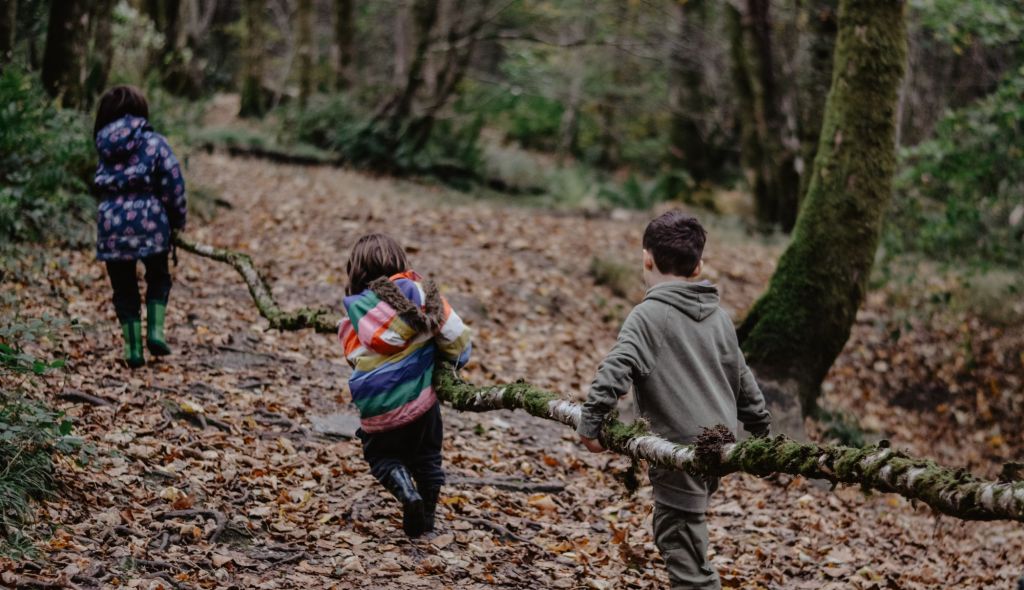
Working together on a woodland walk
The day we got ready for baby
Bath time stories

And so many more…

I thought about how when I started to say that I was “hiding behind the camera” I felt a sense of guilt and shame, but actually, I’m not hiding selfishly. I’m gifting myself pauses, I’m gifting myself creation spaces, and I’m gifting my future self the magick captured in moments we’d otherwise forget.

Thanks for reading,

With love, always, Rohana x

Why I became a birth photographer?

When I had my first child over 7 years ago, I had never heard of birth photography. I had the idea that I wanted to see my baby being born, and I asked if I could have a camera set up. I didn’t really understand why I wanted to, all I knew was it felt deeply important to me.

The hospital I was birthing at said no. I didn’t argue. I didn’t know how.

That birth, my first child, was traumatic in a number of ways and I’ve worked hard to heal my memories surrounding it. Still, I wish I had photos of it. I wish I could see the woman I was in those moments.

Alas, I cannot.

But I learned my lesson. When I fell pregnant again, I spoke to my partner about wanting to hire a photographer, and so we did.

I looked for a local photographer because at that time, nearly 5 years ago, birth photography wasn’t as popular as it is today. We found one who I trusted and got on with, and she agreed to venture out of her normal photography niche and capture my birth. Those photos are some of the most profound ones I have from that time. Unfortunately, my daughter was ready before anyone else, and the moment I craved capture of, was missed.

Still, having the details like the song she was born to, the pictures of me holding her as I stood up, blood dripped down my legs, cord still attached. They are frozen in time, ready to transport me back. They are a gift from my past self, and they are a gift to my future self too. Moments I have to hold forever.

When I got those images I knew that I wanted to give this to other families. I wanted to capture the rawness of these moments, and the intimacy of saying hello for the first time.

We say that you never forget the birth of your baby, and yes in part it’s true. But memories do fade. Time robs us of details. The haze of motherhood buries the deeply vulnerable early hours postpartum.

Documenting them feels like being able to save a sliver of one of life’s most powerful periods. Giving that to others is a privilege and honour.

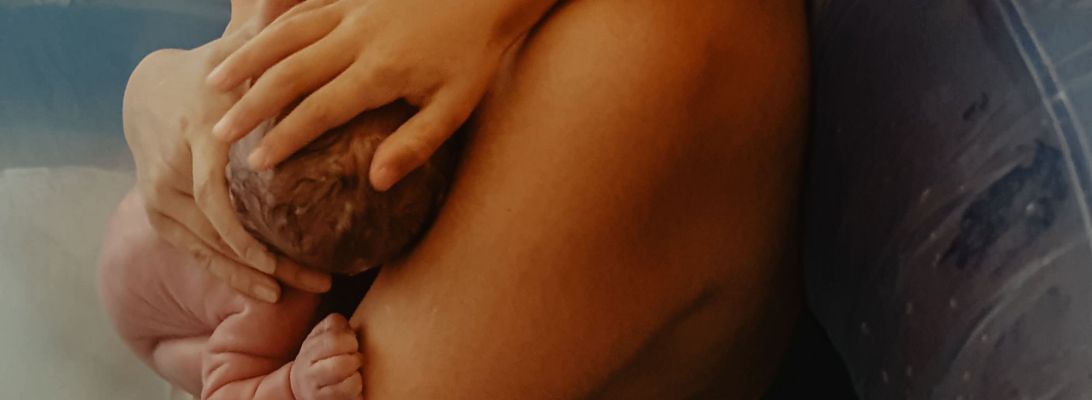
When I had my 3rd baby, I hired another birth photographer. We planned a homebirth but ended up freebirthing. She documented the minutes I worried I wouldn’t be able to birth my baby, and she captured the moment where he was between worlds, head here, body not yet earthside, me, a portal.

In the months afterwards where I felt like I was drowning, the photographs she gave us reminded me that I could do the hardest things and survive.

Birth photography isn’t a trend, or just a photo to post on Instagram. It’s powerful, and healing far beyond what we may realise at the time.

Would I recommend it? A big YES! Not only because I do it, but because so many women I’ve spoken to have said, nomatter how their births have gone, they would have loved more images. Those who have them, treasure them deeply.

Baby’s are only born once after all, and no two births are the same.

With love,

Rohana x

The Conditioning of Birth

We are conditioned by everything in life.

From the moment of your conception right until the moment you are reading this, you have been absorbing and filtering information. You’re doing it right now too. Every second of every single day.

It’s actually really fucking amazing – and, it means, we have a LOT of conditioning to work through whenever we try to break a cycle or move through some shit.

In terms of birth, what does this mean? We’re not constantly thinking about birth (unless you work in the field) or about how babies come into the world. We don’t actively consider the sacred period of postpartum days. We don’t consciously create a negative or traumatic birth. Why would we?

And yet, the percentage of women who experience birth trauma is rising. It is scary and getting scarier. The maternity services in this country (the UK) are deeply overwhelmed, understaffed, and failing. Arguably this is because of funding and politics and a lack of knowledge etc etc. However, I’ll go a step in a different direction here and say it’s also because we are so deeply conditioned in this society to think about birth a medical problem, a painful experience, and something that we have to survive.

We are conditioned from the moment our parents find out we exist; their thoughts and fears and joys about our birth will transmit information to us, in utero, about what birth is like. Then, our actual entrance into this world either confirms these beliefs that have begun to form, or it challenges them. Either way, beliefs are created- often in the last few generations they were not positive ones.

It might sound a little weird but if you get it, you really do get it. These imprints are the first of many foundational layers of our whole belief system. Every single second. Every single day. It’s all absorbed and filtered.

So then, we hear about birth, we hear screams of labour on the tv, or family and friends talking about the pain and trauma. We grow up with messages that birth isn’t beautiful, that it is bloody and breaks us, and so we fear it.

Generations have birthed under the controlled “guidance” of professionals reinforcing these views that birth isn’t safe or joyful or sacred. 

Granted there are exceptions, and someone will say that it’s “not all” but it doesn’t have to be all. It’s some. It’s a majority. And if you have any other racial or economic cards stacked against you, its even more.

Like I said earlier, we don’t consciously create a negative or traumatic birth. However we often do consciously create (also referred to as manifesting) a positive birth experience.  How? By filtering out the noise. By deconditioning our expectations of birth.

There are some radical revolutionaries out here doing this work. Deconditioning birth and postpartum, and inviting as many families as we can do the same. Those of us who have seen, heard and sometimes even felt the trauma that can be associated with birthing babies into this world; taking our experience and expertise and molding it into something we share. We are here, and we want better for our collective decendants.

We are here breaking the cycle. Saying no more, doing this sacred work of holding these spaces. Saying enough. Saying the conditioning stops here.

I invite you, regardless of where you are in the experience of birth – having had babies or wanting them, not interested in kids or somewhere in between – what are your beliefs about birth? Where have you been conditioned and where have you consciously created these views?

I’d love to hear.

With love,

Rohana x

Should you make a birth plan?

I’ve been thinking about birth plans a lot recently. About how we approach them as a society, how women are often told one of 2 things – that they must make one for their team to be on the same page, or not to bother because nobody’s going to read it anyway. Birth is treated like a ‘to do list’ activity, with no real consideration of the humans it involves.

I’ve been thinking about how these 2 polarising options presented to mothers-to-be are focusing on how birth plans are impacting other people. They are either necessary for autonomy and choices to be honoured- but are they? Or they are a hinderence and going to be ignored. Neither of these give any consideration into how a pregnant woman (and their partner) is impacted by creating these plans.

So who is a birth plan for truely, if not for the person who’s body is actually going to open and bring life earthside?

Heres my twopence.

Your birth plan isn’t for your team. It isn’t pointless. It doesn’t have to be meticulously planned. Your birth plan can be scribbled on a notebook, voice noted into an app, created with deliberate and careful care, or anything in between.

Whether you’re planning a freebirth, home birth, hospital birth or an elective cesarean, making a plan is one of those things that comes up as a “must do” while you prep for birth, and yet nobody really explains why. It’s for you. It’s for your partner if you have one. It’s for your baby. Because in making a plan, setting intentions for how you want the story to unfold and talking about it, either in your head or out loud, you are communicating with your baby, letting them know there is a plan.

When you change the way you view birth, the way you birth will change. ~ Marie Mongan

We (individually and collectively) can’t control every little thing that’s going to happen, because the nature of birth is that it is unique and out of our control every single time. That said, when we don’t plan, then we don’t really know what we want. In birth, and in life, it’s important to know where our boundaries are. 

If you don’t know what you want, then you don’t know what you don’t want.

When you make a plan, you get to decide what is a non-negotiable, and what you’re willing to be flexible about. You get to prepare for this immense transition, and stand in your power through it. In the same way that athletes visualise their win, you can visualise the birth story you want to create with your baby. By doing this, you’re energetically telling the universe that this is the plan- even without writing a single thing down.

I will always say, write things down. When you do, the neurons in your brain form stronger pathways, and your intentions are built with stronger foundations. But even if pen never touches paper, even if not a single plan or intention is spoken out loud, just by visualising it, you’re on the way.

Okay Rohana but is 1 birth plan enough? What should I include? What happens if I want to have a water birth or a home birth and then things change? What if I’m planning a cesarean? Where do I start?

I asked myself all of these questions and more when I was planning my most recent birth. I had made birth plans before, but this one was a freebirth, so I wanted to be extra resourced. I thought long and hard, I journalled, I visualised, I made lists and researched a lot… and I ended up with 3 plans. For me, 3 was enough, for someone else, it might be more.

Mostly I tell clients that if they’re making a plan, 2 – 4 plans is best, not to just make the 1. Why? Because there is so much possibility and I’m the kind of control freak (in some areas of life) that needs to prep for the various scenarios ‘just in case’. Creating 1 ideal, everything goes right plan, and 1 emergency plan is the minimum… then there’s the option to flesh out interventions, changes and variations in the middle.

It might like a lot of work, or like youre considering all the ways things could go ‘wrong’, but actually youre taking your power into a situation, where if anything less than your ideal plan happens, you are still sovereign and prepared. It means you’re not throwing your hands in the air or just hoping for the best. It means you are advocating for yourself and for new baby, and if your birthing within the system -regardless of the way you intend to birth- this advocacy is an immensely important muscle to be flexing right from the start.

So, should you make a birth plan – the short answer is yes.

The long answer, is you should make multiple, with different scenarios and different supports. You should advocate hard, and build a foundation of cheerleaders who will hold space for you and nourish you while you labour. You should make your plans in a way that feels good… in a way that is a kind of self care exercise, and a way that bonds you and baby even more. You should share your plans with those who’ll be around, and talk to baby about how you want them to arrive. Make many plans, and resource yourself to aim for the number 1. 

Get your *free* copy of the birth preparation checklists to set you up to create your beautiful story.

For now that’s it, with love,

Rohana x