

Meltdowns
Big feelings
Shouting
Hitting
Kicks
Even the odd bite or many!
This is all age appropriate behaviour for young children, usually at varying points and definitely not a one-size fits all kind of thing. Each child will express their emotions differently, and if they’re even the slightest bit like mine, they’ll make sure you know about it!
What makes us so uncomfortable about our children’s emotions? Is it really that we can’t stand them being angry or sad or overwhelmed? Or is it more about our own capacity to hold the space for them.
To quote Hermione Granger, sometimes we as parents have the emotional capacity of a “teaspoon” – usually because we’re burnt out, and we haven’t got a clue how to handle our own feelings, let alone those of our growing child.
So building emotional literacy becomes almost another thing that we should do, but feel we’re not able to. It’s hard, just like most things in parenting… and it’s also not impossible to start small, and build our own with them. That’s what I’ve done slowly, and though it has taken self reflection, journaling, tears and various moments of me questioning my own sanity, I have seen it pay of so beautifully with my own children. Theo, now almost 5 has an incredible ability to tell us about how his ‘bucket’ is feeling, and where the feelings lie, and recently the steps needed to help him feel better – usually involving a drink, hug and time by himself.
This did not happen overnight! It’s taken the literal years of his life for us to learn what helps, and what we need to keep in mind when any of the children are mid-meltdown. I’ve learned is that some things work better than others, and I’m going to share a few things that have worked for us, and a few that still prove to be opportunities for my own growth, alongside the kids.
Name it, Don’t shame it
Name the emotions – yes we’ve likely all heard that this is important. Why? Because a child’s brain and body doesn’t always have the descriptive language necessary to articulate what they are feeling. They don’t know that anger is linked to their tummy discomfort – like a volcano about to erupt. Or that the tight chest they feel and shortness of breath is them worrying, being anxious, nervous or uncertain. They might just feel suffocated, and lash out to make the feelings go away … often to be met with an onslaught of new feelings as the grown up around them tells them off, or another child reacts to their lashing.
Either way, without language, kids can’t cope with their feelings, and when they get told off, shame at their inability to control or understand what’s happening creeps in.
This can look like a suggestion – I see you’re growling at mummy, this makes me think that you may be feeling frustrated. Are you? OR are you feeling upset because I’ve said it’s time to come inside now?
But it can also look like curiosity – You’re growling at me, I wonder what you’re trying to tell me with that. OR when I said that it’s time to come inside, you tried to show me how you feel with a growl, I’m curious to see if we can come up with a word for that feeling.
go a step further
Building emotional literacy also means going a step further. Once you and you child are comfortable naming emotions, then you can chat about where they feel in their body.
We like to make a game of it, not always, but it definitely helps diffuse tensions – for example: “You’re feeling angry right now, is the anger in your knee? Your elbow? Oh no, I forgot, sometimes angry feelings get stuck in our toes – let’s see if we can tiptoe them out
By allowing them to figure out where it feels, and then find a way to release some of the tension around it, we are helping children learn that they have nothing to fear even when they have big feelings in their body. Eventually, they’ll learn how to regulate themselves, at least some of the time. You’re sewing the seeds for emotionally healthy adults, with a much larger capacity to handle their feelings without going into a fight, flight, freeze or fawn response. So this really is a long game – getting it right every time isn’t the goal, modelling and trying again is!
Hold SPace
Allowing feelings has been a big step for me. I read and read and read some more about how important it is to allow kids to have all their feelings in a safe space, without feeling judged. It means they know feelings are normal and that everyone has them, and that makes for healthy adults who don’t hold back feelings or end up in spirals of depression and guilt because expressing feelings is seen as ‘wrong’.
“But feelings can’t be ignored, no matter how unjust or ungrateful they seem.”
– Anne Frank.
And yet, when the feelings seem ungrateful, or extra noisy, or just plain overwhelming. When they are loud or in public or I just don’t really have the time. When the feelings of my children come and I am feeling frazzled or guilty or my own needs haven’t been met, it doesn’t matter how much I know that allowing feelings is important, I just want them to shut-up and change the subject because I am so triggered by it too.
This is the hardest part of holding space. Holding it even when we don’t have anyone holding for us. It’s not their fault they haven’t figured it out yet, it’s our job to guide them… and so regulating even when we don’t feel regulated is the ultimate goal. Allowing them to feel, while maintaining boundaries so they are feeling the feelings without being hurtful – it takes so much practice. Compassion for when we don’t manage it too, because we’re human.
Recently I had a meltdown over one of Ila-Rae’s big feeling moments, being triggered because she was loud, it was late, the baby was tired, I was tired, she was tired, and it was generally just a crappy time for her to be screaming about whatever it was she was upset about. I told her to ‘shut-up’ … and immediately regretted it. Theo actually pulled me up on it and said I shouldn’t use that word, and in the end, I apologised and we had a cuddle; I empathized that she was just frustrated and sad at the situation, and we moved on. In parenting circles, we call this rupture and repair. It has been revolutionary in my own parenting experiences to view things in this cycle.
Apologise
Rupture – repair.
We have a rupture, we shout, we tell our child off, we say something we wish we could take back, and then, what do we do next?
We take a deep breath, some space if needed, and get down on their level, and sincerely tell them we are sorry. We tell them that we are human too, and that we make mistakes, and that no-matter what happens ever, no-matter how angry we may get, we will never stop loving them. We tell them they are incredible, and that they are still learning and we are here to help them.
We repair.
And then we move forward… because sometimes we get it wrong too, and in the big picture, normalising apologising to our children means they will become adults who are not afraid to own their mistakes, apologise and move forward. It’s probably one of the most important things we do in our house, and it does make a huge difference.
Model adult regulation
Ooh this last one is so hard sometimes. Especially when we have triggers from our own childhood that we haven’t really processed yet. Modelling regulation is hard but with practice it does get easier. Plus, there’s a lot of stuff we can do to prepare, or purposely model positive scenarios when we do feel regulated, which mean when react before thinking, and yell or get angry, say things we don’t mean to (my go to is usually along the lines of “for f***s sake, again!”).
The good news is, modelling happens all the time whether or not we plan for it. So when we treat people like our parents, partners and children with respect and kindness, they pick it up. When we talk to kids like we would our best friend, then they learn they are valued as people to us, and they begin to do the same.
There is nothing sweeter that a 2 or 3 year old complimenting you as an adult with all the sincerity in the world, because they think that’s just what everyone does. Or hearing their beautiful little voices tell you about the day or view because you’ve done it for their whole life, and they want to share the joy. All these amazing moments you have, they are because of you, your modelling, your hard work… you are always doing it. Building emotional literacy into this is a step further yes, but it becomes part of life too… and when we model all of the above, we name, we allow and accept, even embrace, we hold the space and apologise for ruptures when we can, we can build some incredible skill for our children, and hopefully, in the long game we will see them be much more emotionally capable and healthy humans.
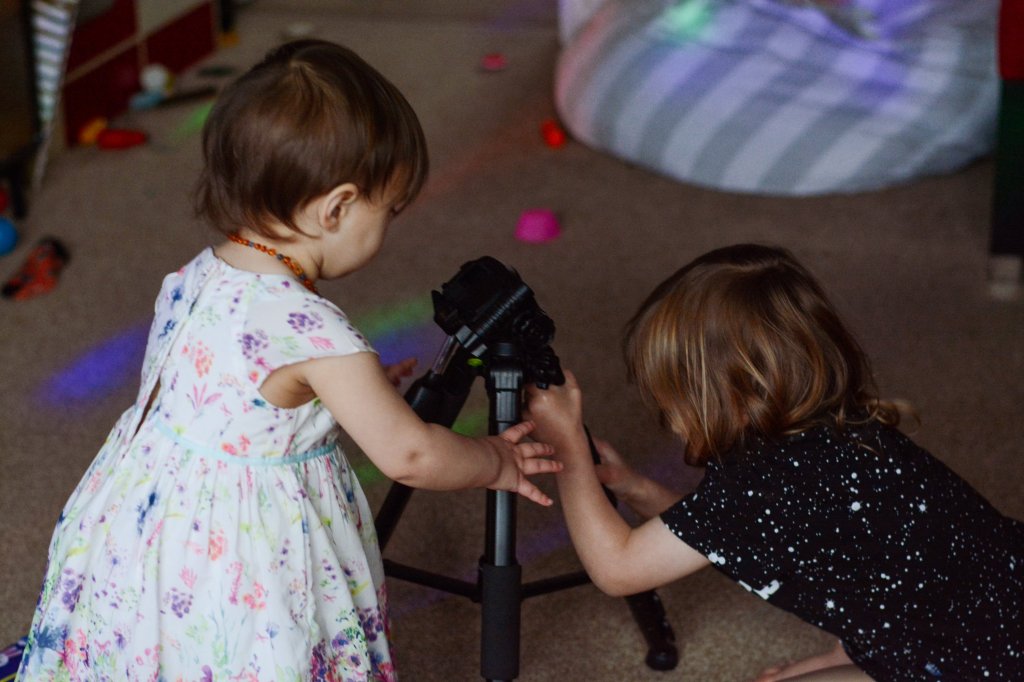
Kids will be kids
They will bite, kick, hit and scream… because they need to communicate and these are tools of communication.
Our job is not to stop these behaviours because they are ‘wrong’ but rather, to guide them to a new toolkit, with communication skills that mean they can tell us what they need without hurting anyone, including themselves.
Changing my mindset in these ways has helped me immensely, I hope that this may help you too!
 Supporting you from pregnancy to parenting